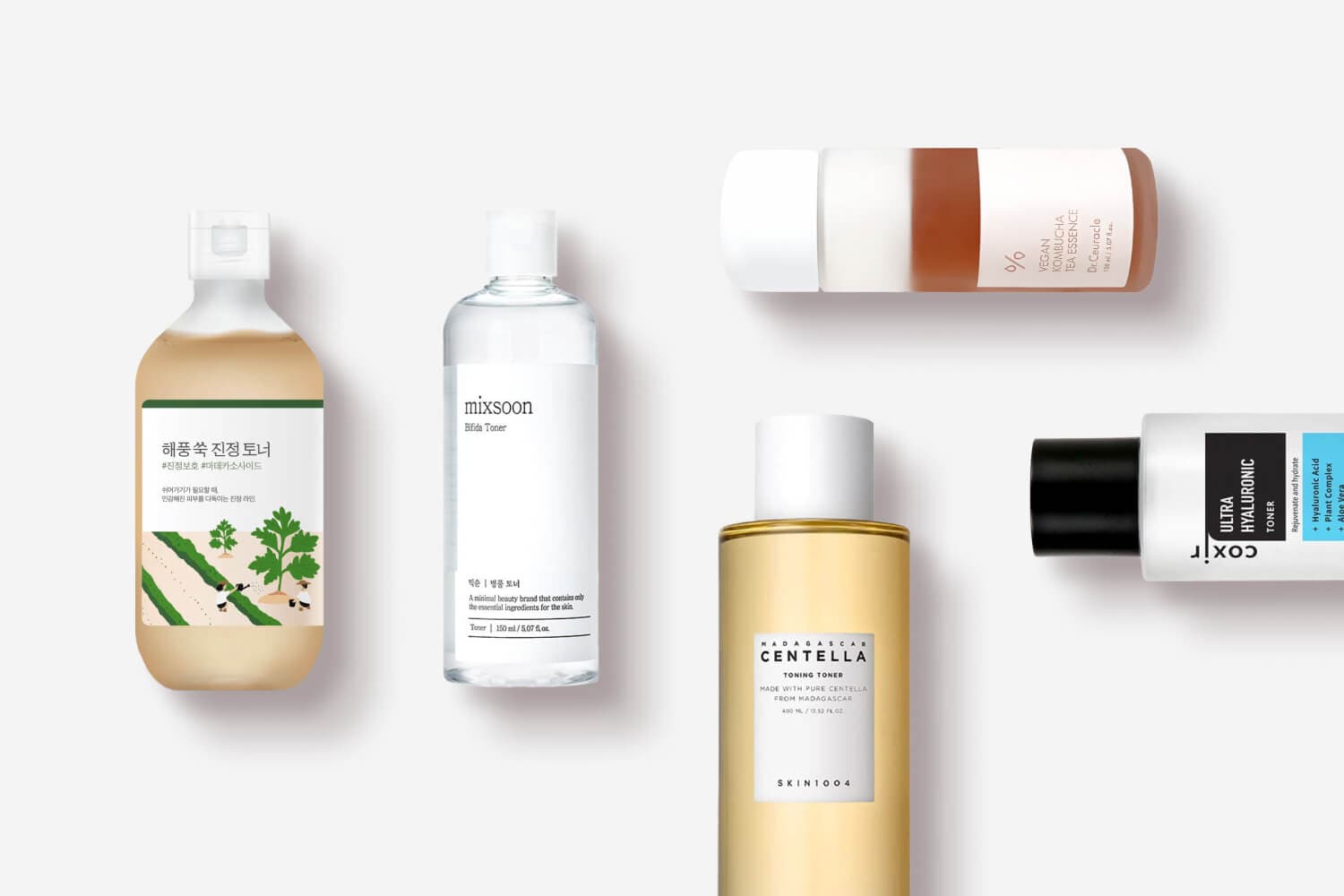
7-Skin Method
A Korean technique of applying 7 (or more) consecutive layers of a watery toner or essence to dramatically plump and hydrate skin — the secret behind the glass-skin look.
At-home rituals and in-clinic procedures — evidence-based info to help you choose the right treatments for your skin.
79 treatments covered
79 treatments

A Korean technique of applying 7 (or more) consecutive layers of a watery toner or essence to dramatically plump and hydrate skin — the secret behind the glass-skin look.

Aerolase Neo is a 1064nm Nd:YAG laser that delivers ultrashort pulses (650 microseconds) for a wide range of treatments — pigmentation, vascular concerns, acne, skin rejuvenation. The ultrashort pulse duration produces thermal effect in target tissue without significant thermal spread, making it safer across all Fitzpatrick skin types than many alternative laser platforms.

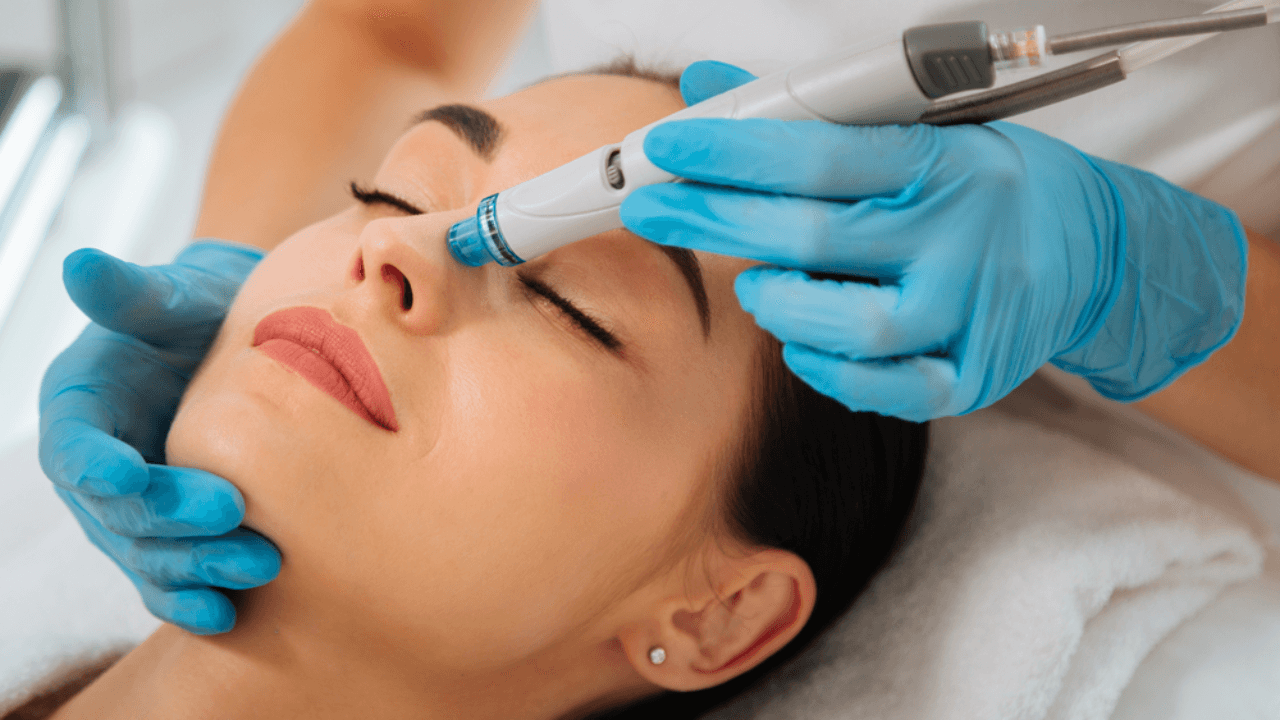
Korea's most popular clinic facial — a multi-step machine treatment that simultaneously exfoliates, extracts, and infuses skin with customized serums using a patented vortex technology.

A 24-karat-gold-plated microchannel device that delivers custom serum cocktails — usually micro-doses of Botox, hyaluronic acid, vitamins, and peptides — into the upper dermis.

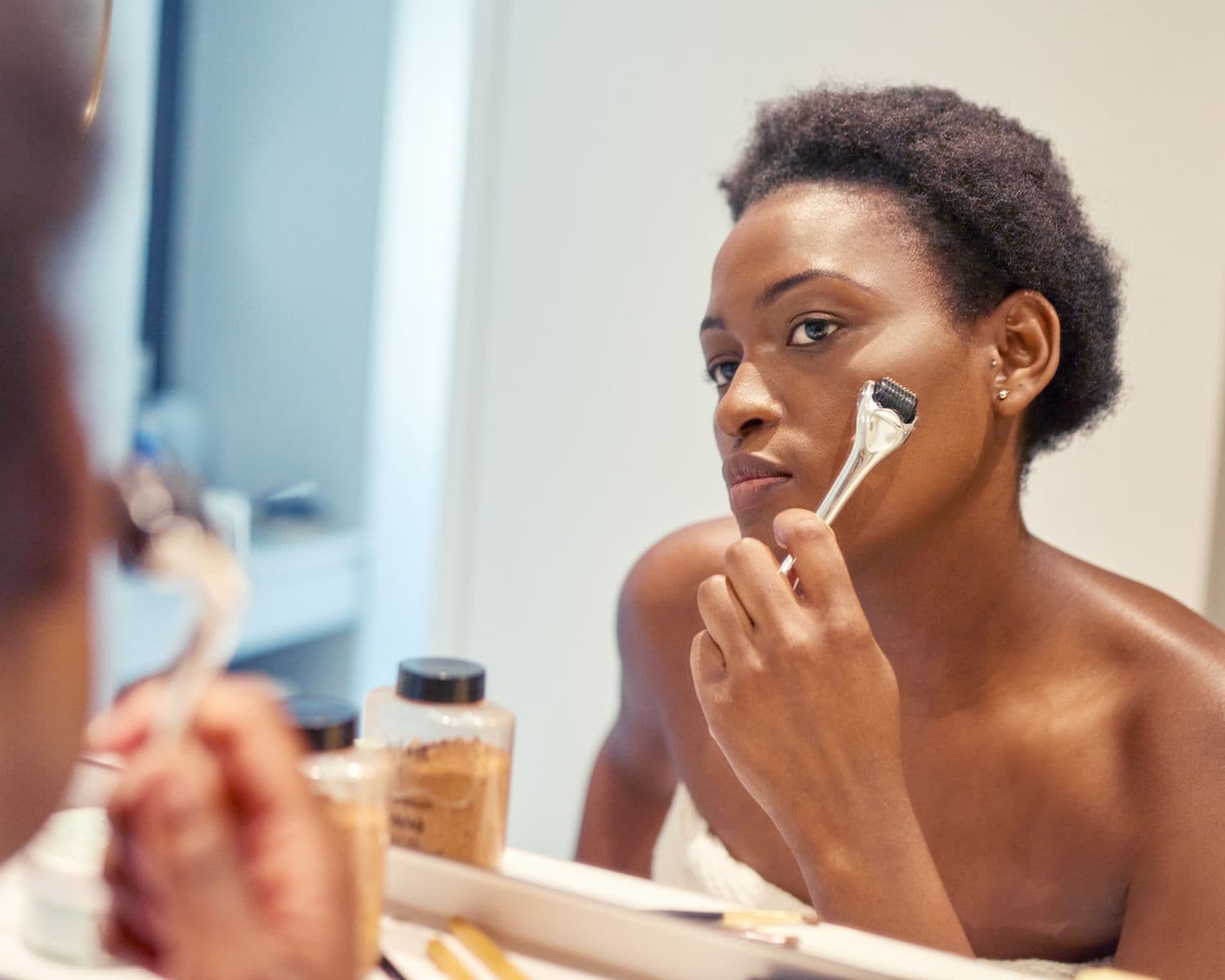
Consumer-grade microneedle rollers or stamps used at home to create micro-channels that boost product absorption and trigger mild collagen stimulation — a lower-intensity version of professional microneedling.

The NuFace-and-FOREO-Bear category — electrical muscle stimulation wands you glide over your face to lift, tone, and de-puff.

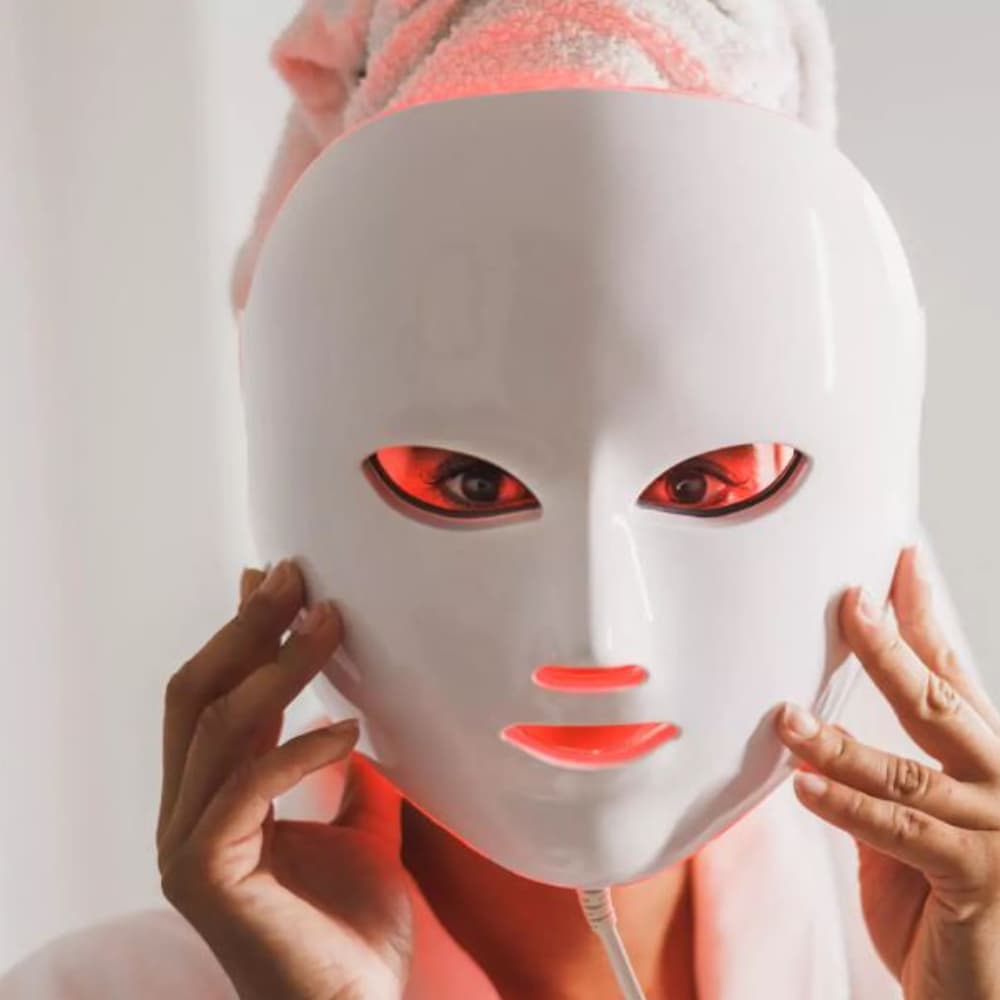
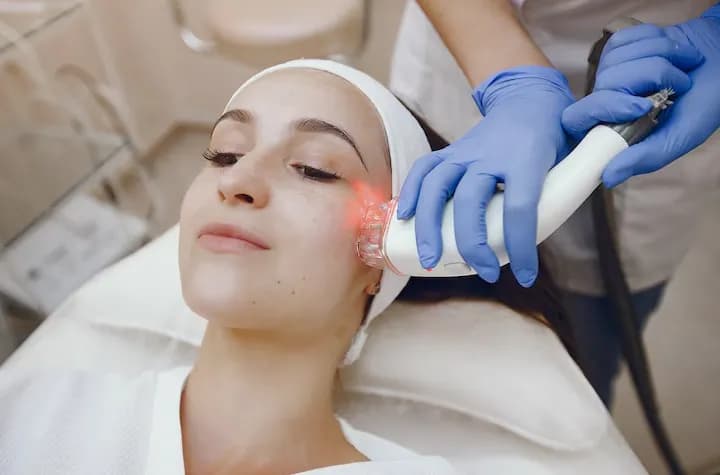
Consumer-grade LED masks that deliver red, blue, and near-infrared light to trigger cellular responses — FDA-cleared devices backed by clinical evidence for acne and anti-aging.

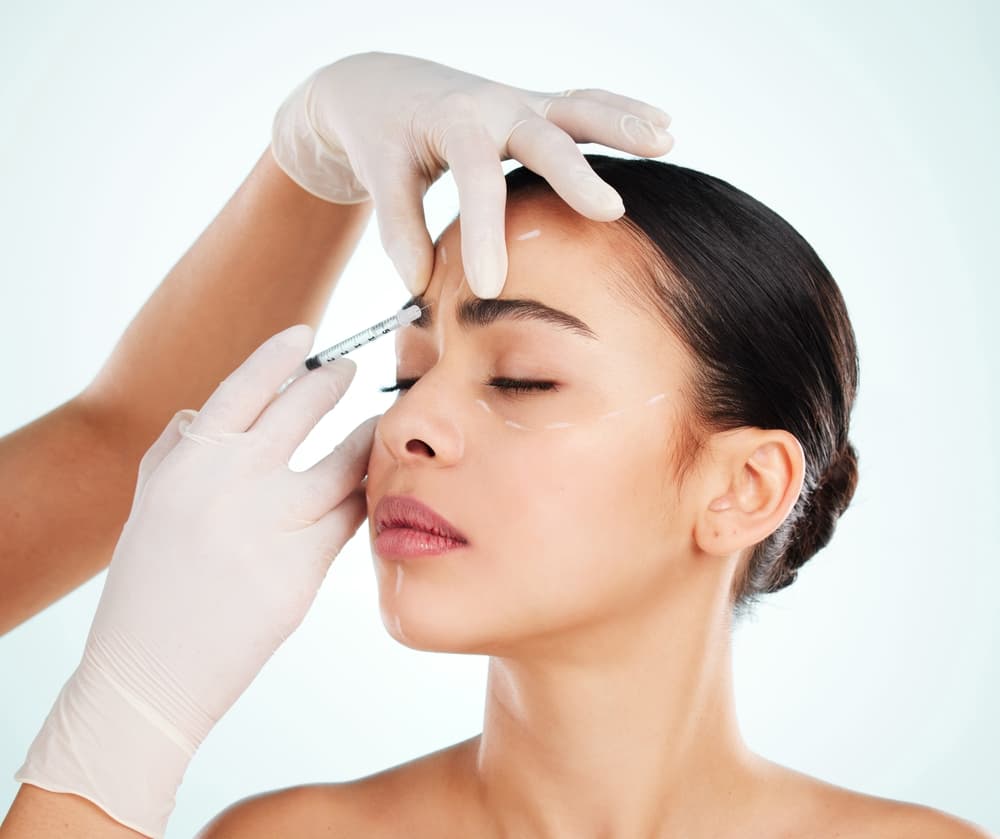
The Korean approach to botulinum toxin — micro-doses injected superficially throughout the face rather than deep into muscles, creating subtle softening without the "frozen" look Korean aesthetics avoids.

The surgical removal of cheek fat pads for a sharper, more hollowed midface. TikTok-viral since 2022, divisive among surgeons, and nearly impossible to reverse.

The "fingers in your mouth" facial that Meghan Markle, Anne Hathaway, and half of Park Avenue book monthly. Yes, really.

Korean-clinic staple using controlled CO2 delivery (injection or gel mask) to trigger the Bohr effect — increased oxygen release from hemoglobin into skin tissue, improving microcirculation and collagen synthesis.

The evidence-backed alternative to physical scrubs — acids that dissolve the bonds holding dead skin cells together, revealing smoother, brighter skin underneath without the micro-tears of scrubbing.

Gentle non-ablative fractional laser — often called 'baby Fraxel' — designed for preventive maintenance and early-ageing skin. 4–6 sessions, minimal downtime, glass-skin texture improvement.

The most aggressive skin-resurfacing laser in dermatology — two weeks of recovery in exchange for collagen, tone, and texture results that nothing else comes close to.

The FDA-cleared fat-freezing procedure that took over Beverly Hills in the 2010s — non-invasive body contouring that kills fat cells by chilling them to -11°C. Marketed everywhere, worth knowing the realistic outcomes.

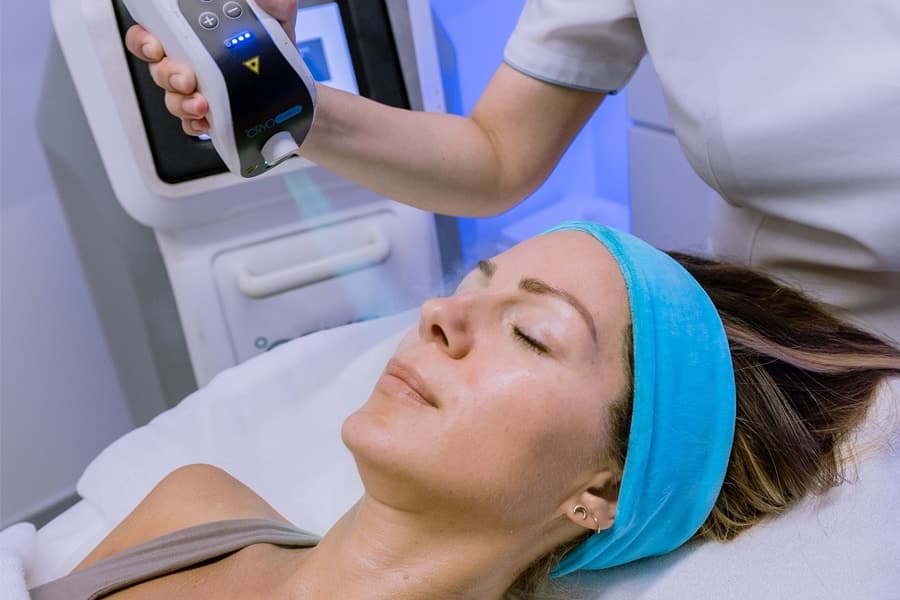
Controlled exposure to extremely cold temperatures (liquid nitrogen vapor, -130°C) to the face — triggering vasoconstriction, anti-inflammatory responses, and collagen stimulation through thermal shock.

A medical blade scraped across the skin to remove dead cells and peach fuzz — exfoliation meets shaving.

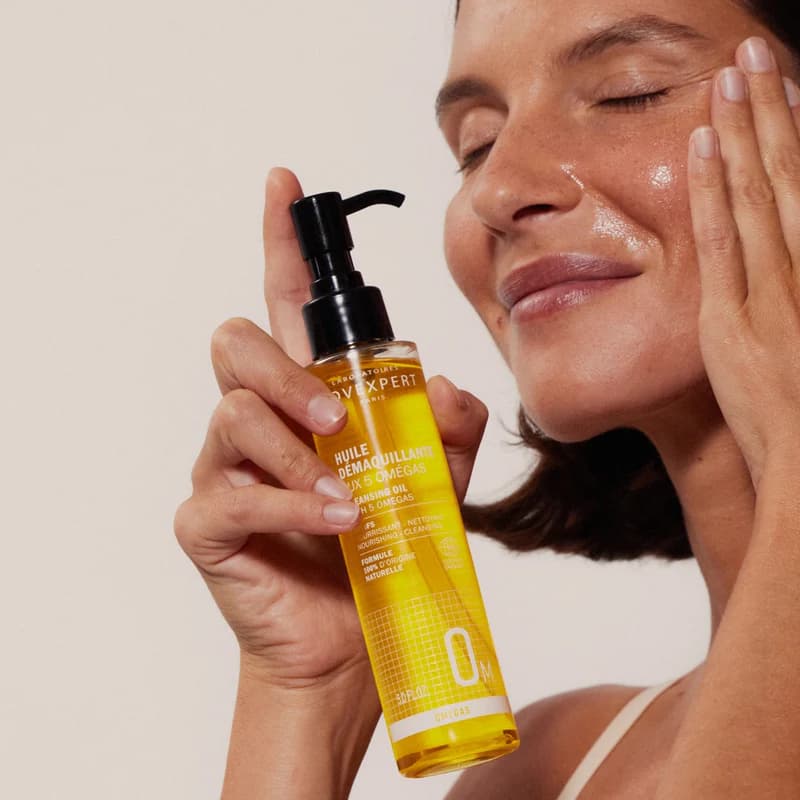
The two-step cleansing method that started in Korean beauty: an oil cleanser removes makeup and sunscreen, followed by a water-based cleanser that cleans skin itself. The single most impactful routine change for most people.

Endolift is a 1470nm endo-laser treatment delivered through a micro-cannula inserted just under the skin. The laser energy contracts subcutaneous fibrous tissue and stimulates collagen remodeling, delivering jawline tightening and facial-contour refinement without surgery. Italian-developed, popular across European aesthetic clinics for non-surgical facelift positioning.

The gentlest exfoliation there is — pineapple or papaya enzymes that digest dead skin without acid irritation.

An in-clinic facial built around topically applied stem-cell exosomes (often combined with microneedling or laser) — the post-procedure recovery protocol marketed as a stand-alone treatment.

The post-PRP, post-PDRN regenerative treatment Korea is pushing next — stem-cell-derived signaling vesicles delivered after microneedling or laser.

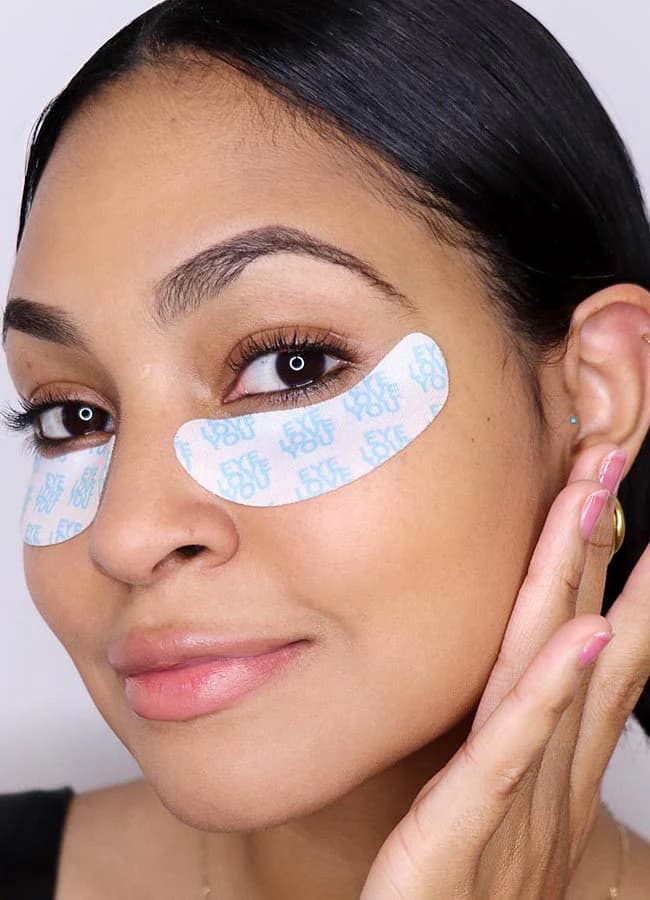
Concentrated hydrogel or bio-cellulose patches designed specifically for the delicate under-eye area — delivering peptides, caffeine, and HA directly to target puffiness, dark circles, and fine lines.

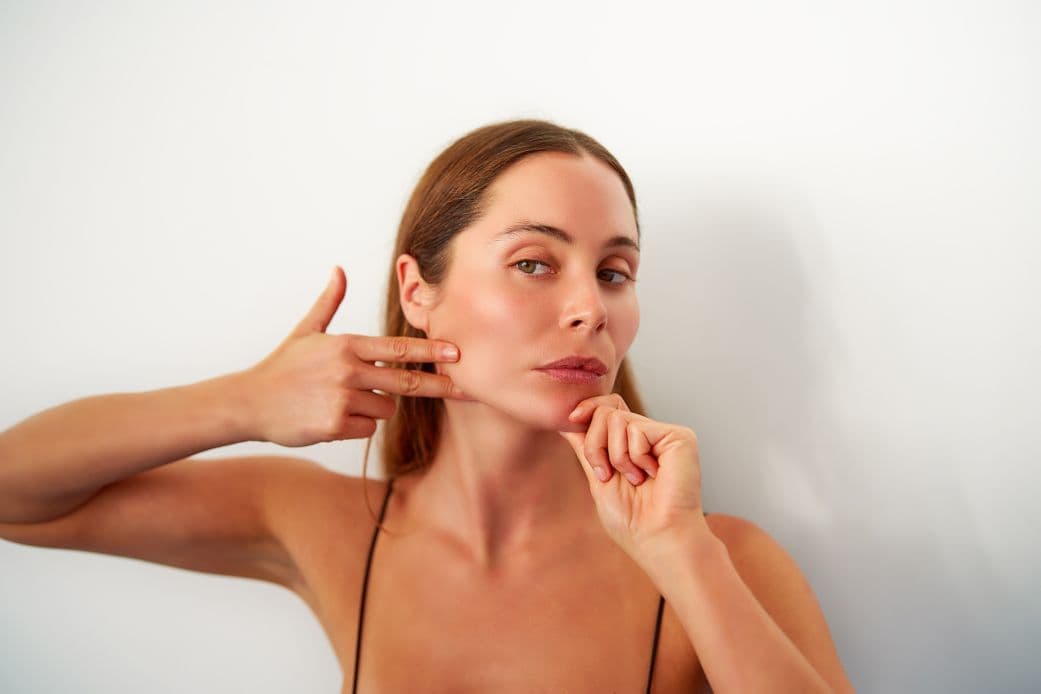
A system of targeted facial muscle exercises designed to tone and strengthen the 57 muscles of the face — the non-invasive alternative to injectables for natural lifting and contouring.

Gua sha's under-hyped cousin — tiny silicone cups that suction-lift fascia instead of scraping it.

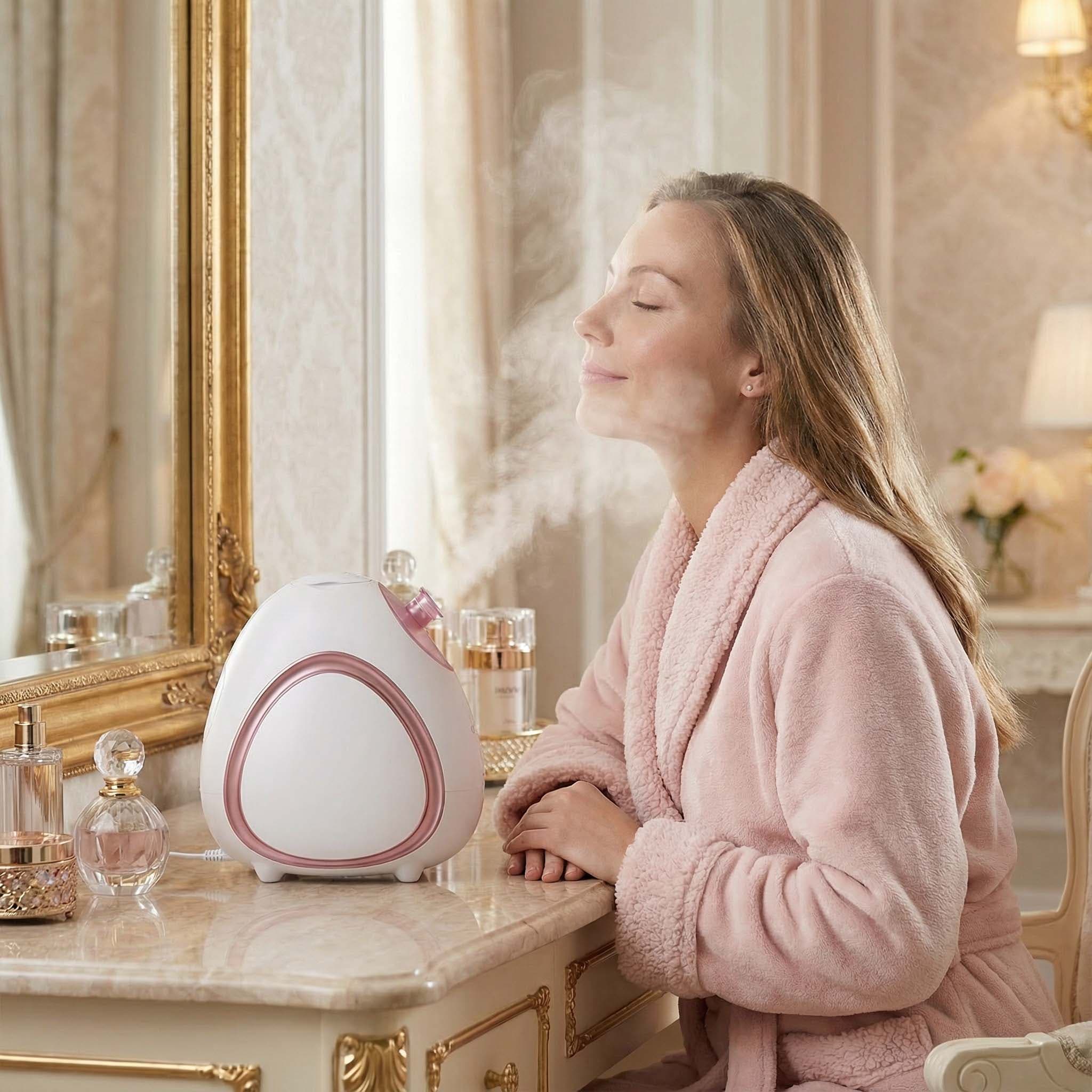
Using warm steam to open pores, soften sebum plugs, and prepare skin for deeper cleansing or mask application — a classic Korean spa pre-treatment you can do at home.

The 100-year-old wrinkle hack TikTok rediscovered — hypoallergenic kraft-paper or silicone tapes worn overnight to mechanically pin down facial expression lines so you stop creating them while you sleep.

TCM-derived treatment where fine needles are heated to red-hot and briefly inserted into the skin — controlled thermal injury that targets acne scars, hyperpigmentation, and stubborn pores.

A fractional laser that drills thousands of microscopic columns into the skin, triggering collagen and erasing the years between you and your sun damage.

Geneo (also marketed as OxyGeneo or Tripollar Geneo) is a 3-in-1 facial device combining gentle exfoliation, oxygen-rich infusion, and tripolar radiofrequency tightening in a single 30-45 minute session. The branded device platform is widely used across spa-clinic hybrid settings for clients who want visible immediate-glow results without aggressive medical procedures.

The Korean technique for achieving poreless, luminous, translucent-looking skin — not a single product but a multi-step layering ritual focused on intense hydration and barrier health.

Glutathione IV therapy delivers high-dose glutathione (the body's master antioxidant) intravenously for systemic antioxidant support and skin-brightening claims. Popular across Asian aesthetic clinics — particularly in Korea, Thailand, and the Philippines — for skin-tone brightening positioning. Clinical evidence for the brightening claim is debated; antioxidant systemic effects are real but less marketing-friendly.

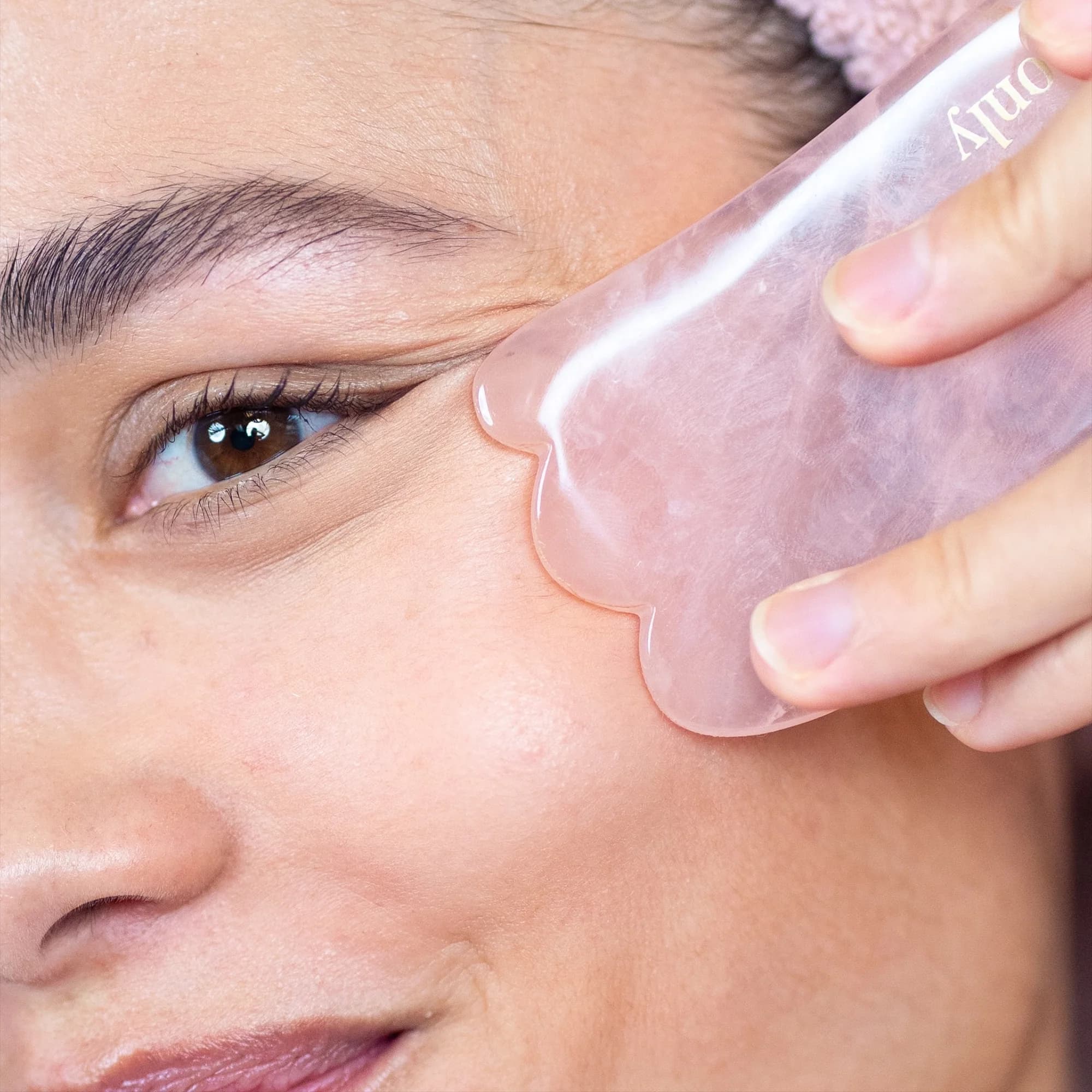
An ancient Chinese technique adapted for modern facial use — a flat stone tool is stroked along facial contours to promote lymphatic drainage, reduce puffiness, and sculpt facial muscles.

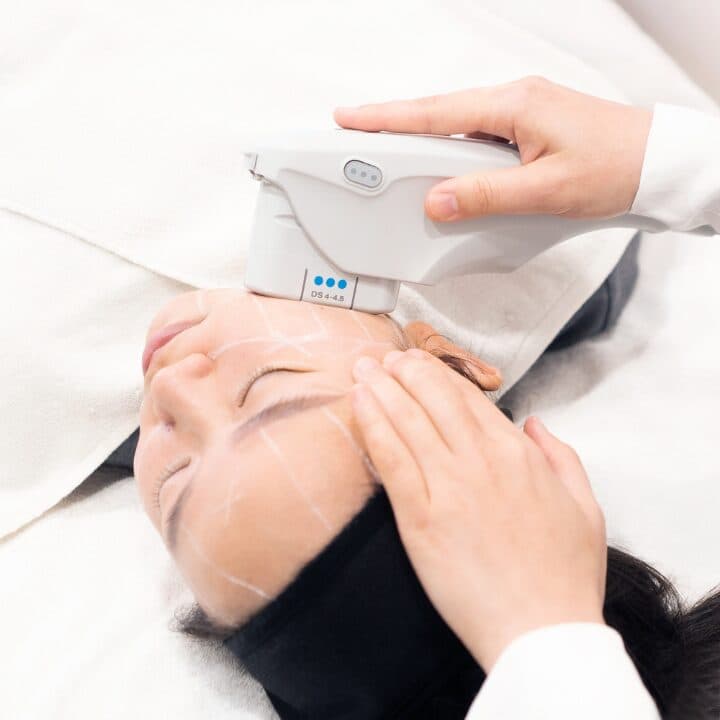
High-Intensity Focused Ultrasound — the gold standard non-surgical face lift that delivers precise thermal energy to the SMAS layer (the same layer surgeons cut during facelifts) to trigger long-term collagen remodeling.

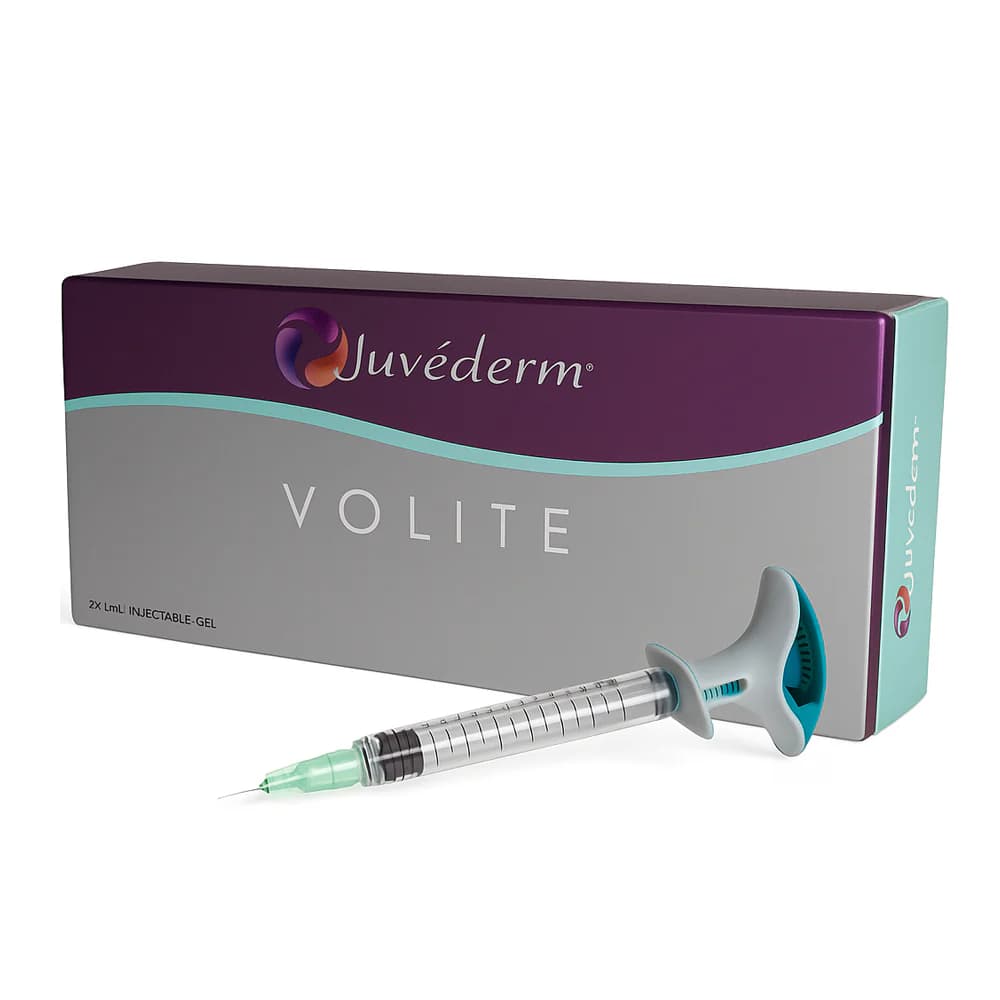
The world's most-performed cosmetic injectable — cross-linked hyaluronic acid gel injected to restore lost facial volume, smooth folds, and reshape lips, cheeks, jaw, and under-eye hollows.

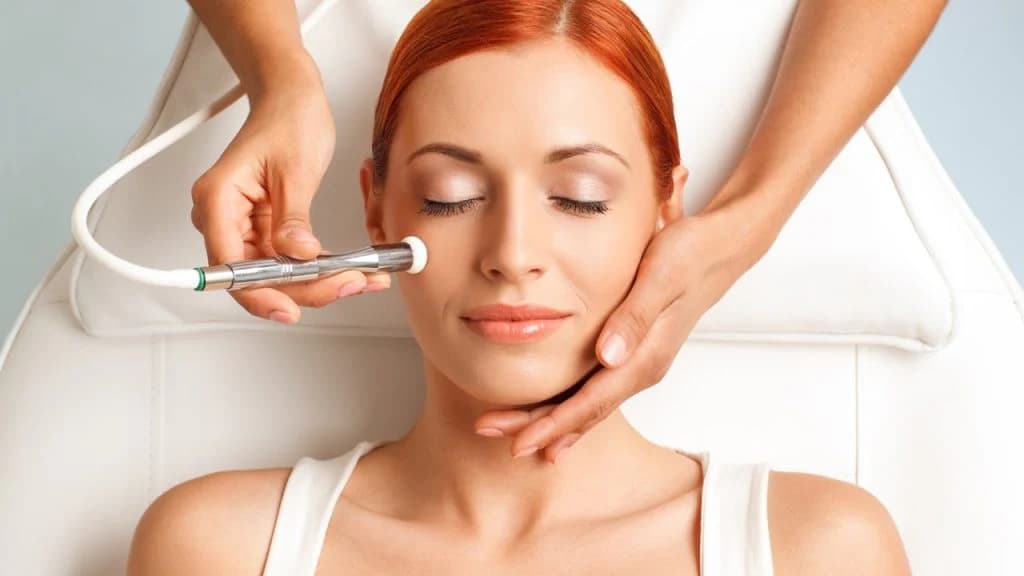
The medispa workhorse — cleanse + exfoliate + extract + infuse in one vacuum-tipped wand.

The frozen glass baubles that flatten puffy mornings in 90 seconds — what ice rolling became after it got cute.

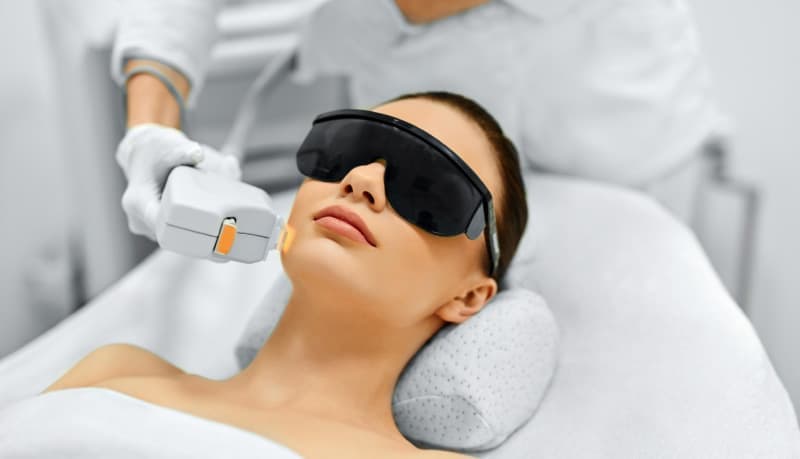
Broad-spectrum light that targets multiple chromophores simultaneously — addressing pigmentation, redness, broken capillaries, and overall skin tone with one versatile treatment.

A dual-ended facial massage tool used to boost circulation, depuff, and aid product absorption — the gentler, easier-to-learn companion to gua sha.

The bathhouse-style full-body exfoliation ritual — a Korean grandmother's idea of a deep clean.

Deoxycholic-acid injections that permanently dissolve the fat under your chin — the FDA-approved double-chin killer.

Korea's signature low-power laser treatment for melasma, uneven tone, and overall brightening — delivered in rapid, gentle pulses that stimulate melanin breakdown without damaging surrounding tissue.

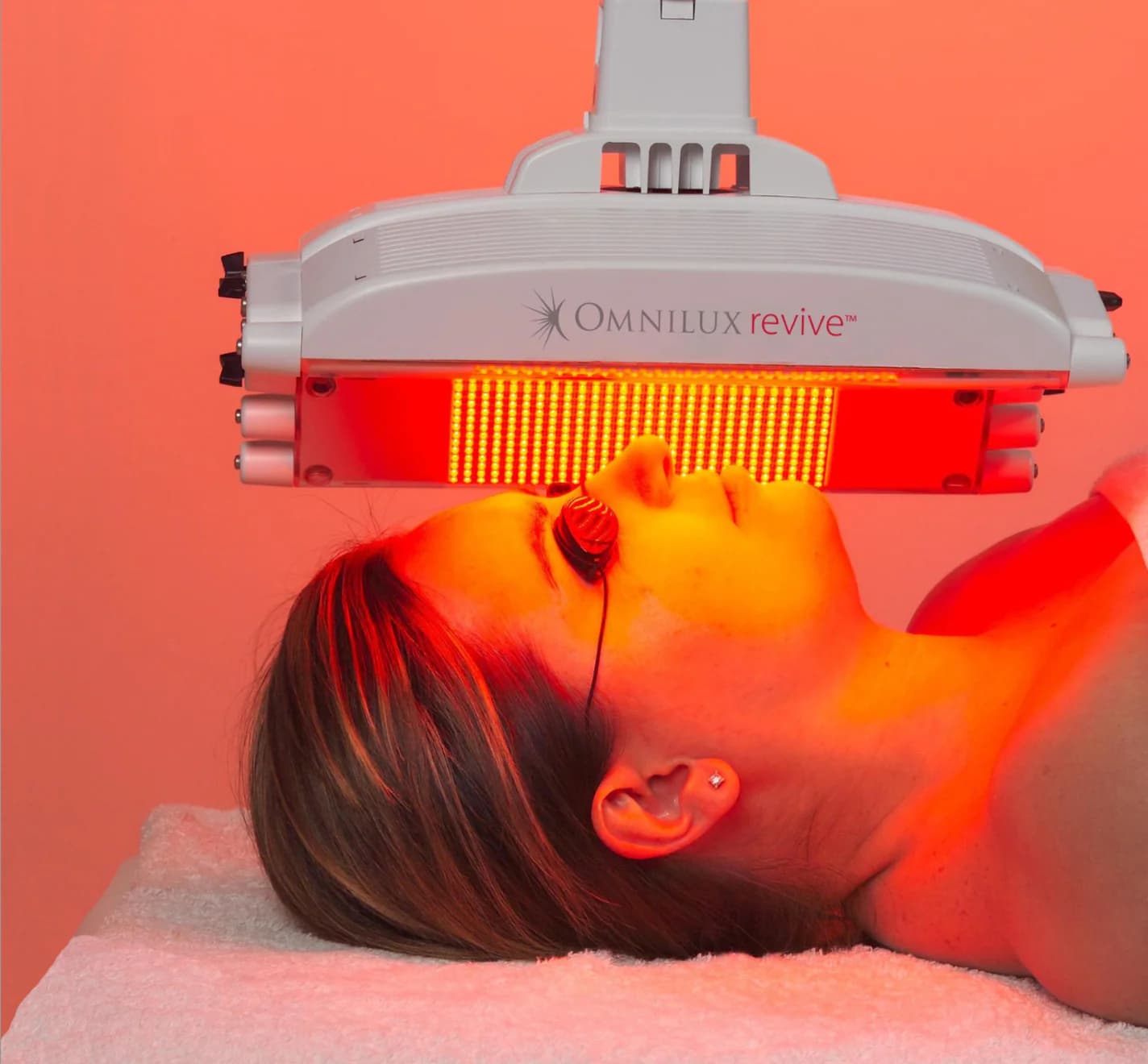
Professional-grade LED panels that deliver higher-intensity light at clinically calibrated wavelengths — more powerful than at-home devices, often combined with other treatments for enhanced results.

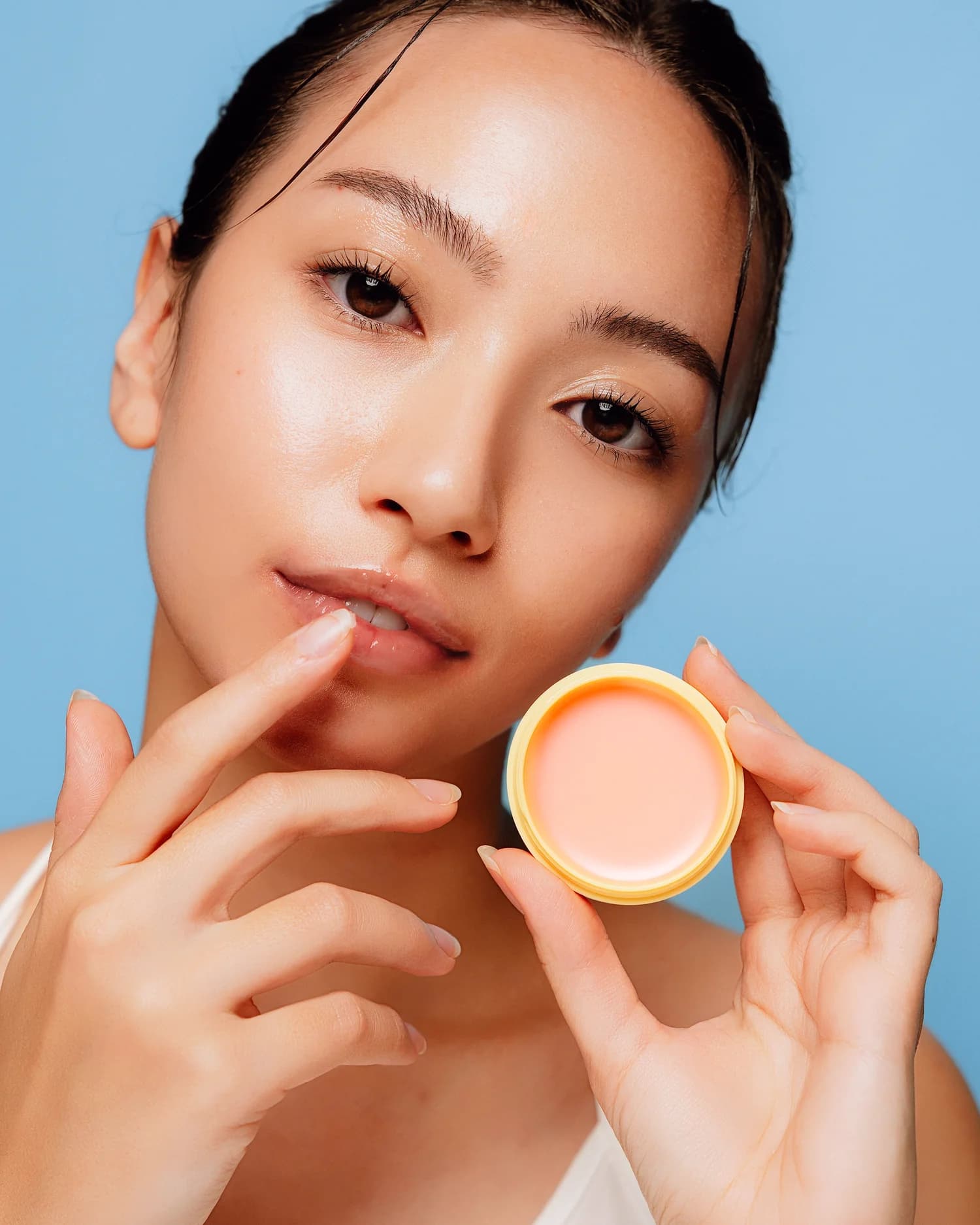
Overnight and leave-on lip treatments that restore moisture, smooth texture, and address lip lines — the Korean lip care ritual that goes far beyond Chapstick.

Specialized facial massage targeting lymph nodes — drains puffiness, lifts contour, feels unreasonable.

The Korean-pioneered Botox protocol that shrinks the chewing muscles for a softer, more heart-shaped face — and relieves jaw tension while it's at it.

A cocktail of vitamins, amino acids, and hyaluronic acid injected into the superficial dermis — French-born, globally adopted, endlessly remixed.

Microbotox — also called mesobotox or intradermal botox — is a technique of injecting highly diluted botulinum toxin in many small superficial doses across an area, rather than deeper concentrated doses targeting specific muscles. The result: skin smoothing, pore reduction, and oil control without the muscle-paralysis effect of standard Botox. Popular for clients who want skincare-class smoothing rather than expression-line correction.

Low-level electrical current (NuFACE, ZIIP, Foreo Bear) to tone facial muscles without needles.

The Morpheus8 device drives gold-tipped microneedles into the skin and delivers radiofrequency energy at precise depths — the Kardashian-era lift without the scalpel.

Microneedling's gentler, no-downtime sister — a silicone-tip cartridge oscillating at ~150,000 vibrations/min that pushes serums into the epidermis without piercing the skin.

A pressurized oxygen treatment that infuses serums containing growth factors, peptides, and HA deep into skin — popularized by celebrity aestheticians globally and standard in Korean luxury skin clinics.

The Korean cosmetic-derm treatment that injects polynucleotides derived from salmon sperm DNA to stimulate collagen and tissue repair. Yes, really.

Ultra-short picosecond-pulse laser that shatters pigment fragments via photoacoustic waves — safe for all skin tones, minimal downtime, the pigmentation-treatment standard in 2026.

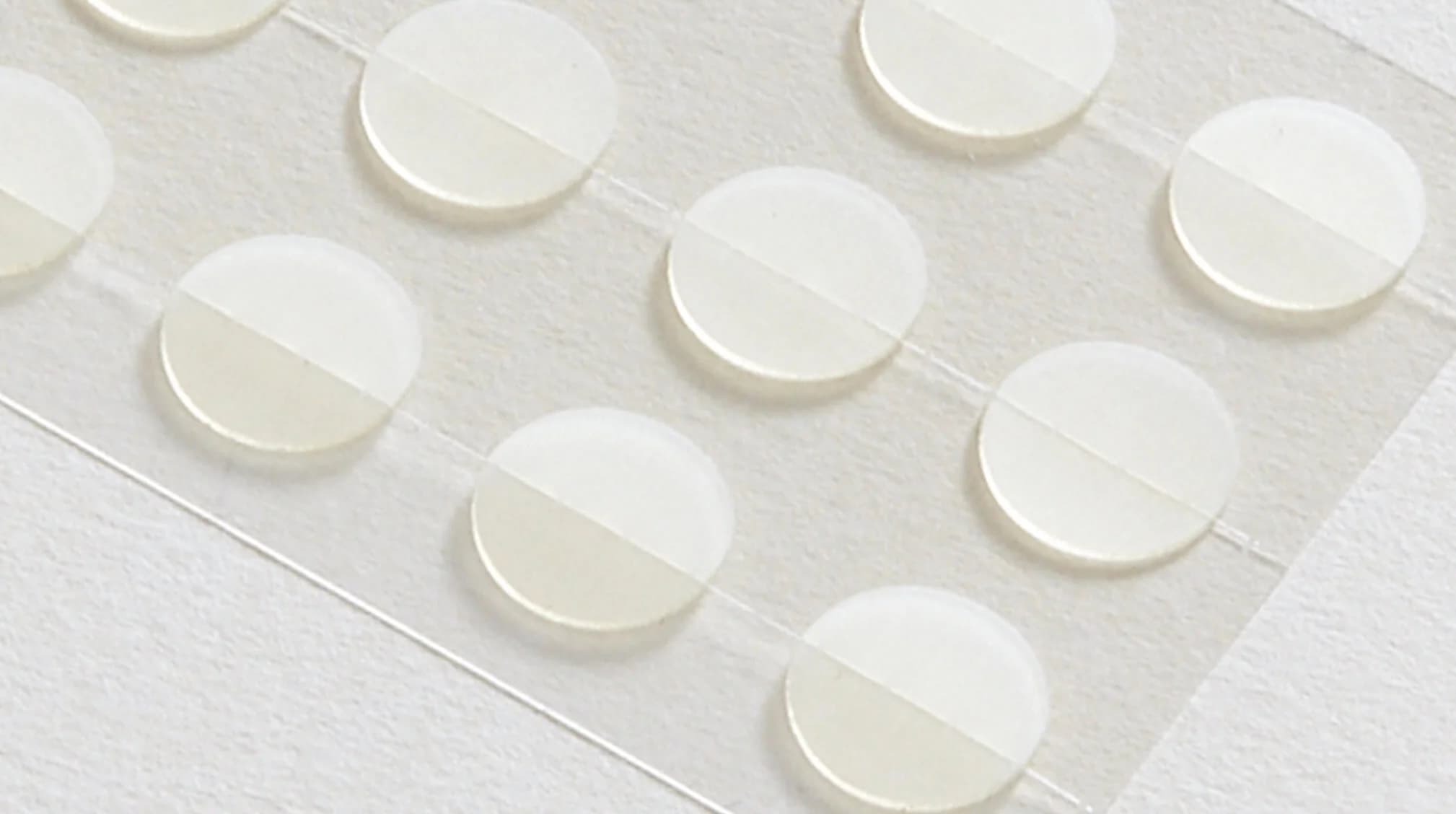
Hydrocolloid wound dressings repurposed for acne — these small circular patches draw out pus, sebum, and bacteria from whiteheads while protecting the spot from picking and contamination.

Non-surgical skin tightening using ionized nitrogen plasma to create controlled micro-injuries that stimulate collagen remodeling — particularly effective for eyelid tightening without blepharoplasty.

Injected polynucleotides — DNA fragments that stimulate fibroblasts directly — for skin quality improvement. The next generation beyond PDRN.

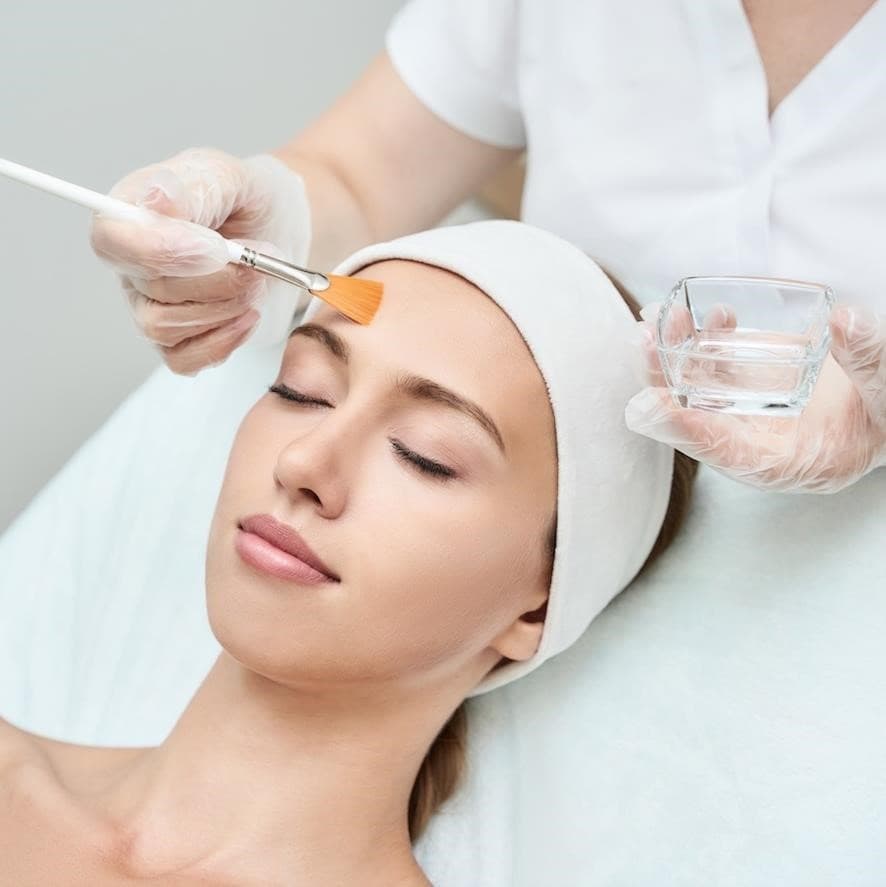
Clinic-grade acid treatments that penetrate beyond what at-home products can achieve — from light superficial peels (lactic, mandelic) to medium-depth peels (TCA) that address acne scarring, melasma, and deep pigmentation.

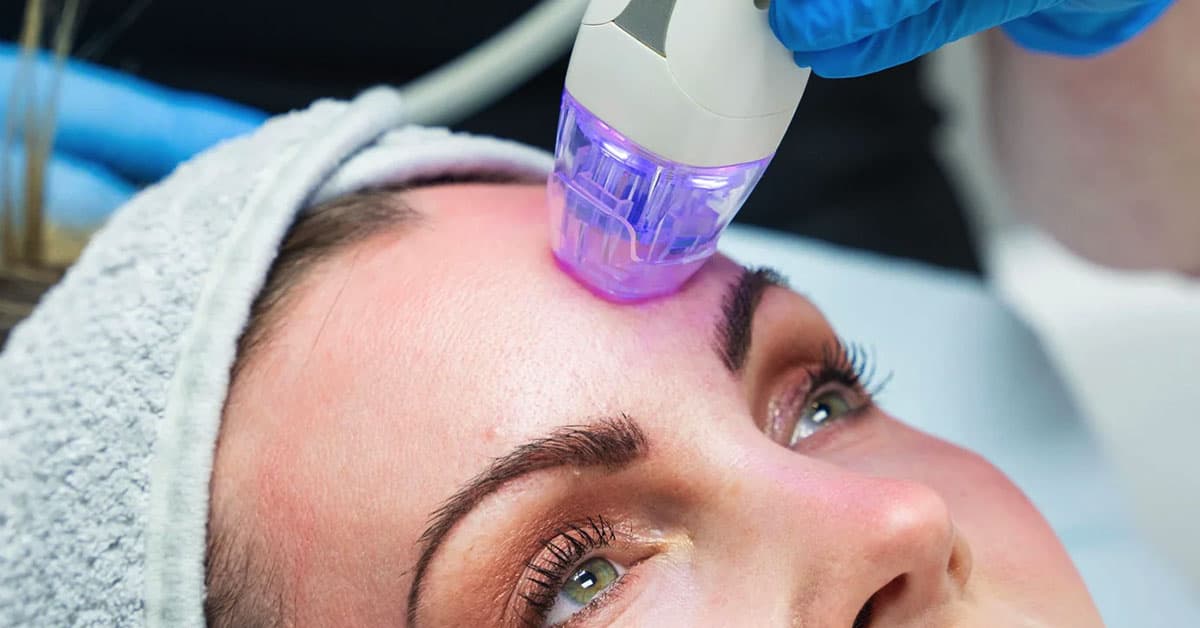
Controlled micro-injuries to the dermis using fine needles to trigger the wound healing cascade — RF microneedling adds radiofrequency energy through the needles for amplified collagen remodeling.

Bio-remodeling injectable hyaluronic acid that spreads under the skin to stimulate collagen and elastin — not a filler, not a volumiser, a quality-of-skin booster.

Platelet-Rich Plasma therapy — your own blood is drawn, spun in a centrifuge to concentrate growth factors, then reinjected or applied post-microneedling to stimulate collagen and skin renewal.

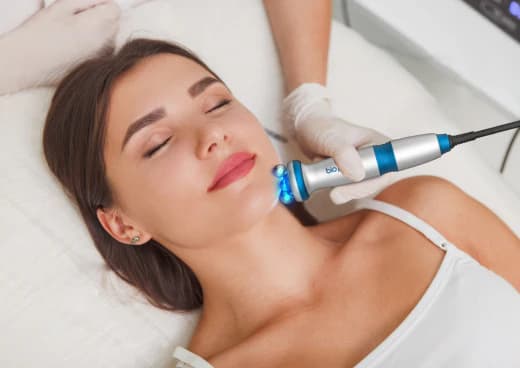
Non-ablative radiofrequency energy that heats the dermis to 60–70°C, triggering immediate collagen contraction and long-term neocollagenesis — a foundational tightening treatment in Korean anti-aging clinics.

Full-body or large-face LED panels delivering clinical-strength red and near-infrared light at home — the 2026 wellness-skincare crossover trend.

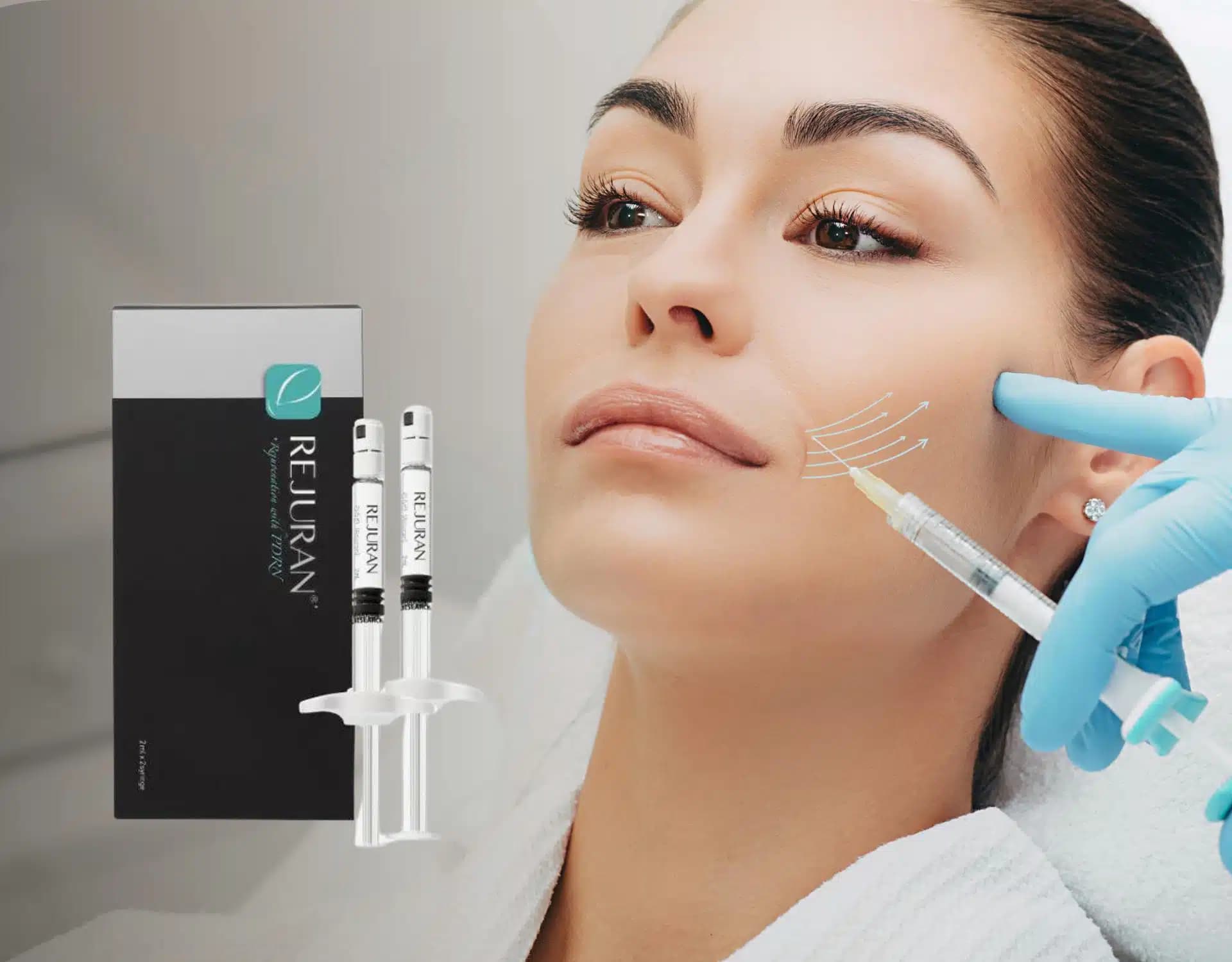
The "baby skin" injection — a Korean-developed injectable made from polynucleotides (DNA from salmon sperm) that repairs skin at a cellular level, improving elasticity, hydration, and texture from within.

Salmon DNA injectable — marketed under brand names including Rejuran, Plinest, and Newest — is a polynucleotide-based skin booster derived from purified salmon DNA. The treatment delivers regenerative biostimulation through micro-injection, stimulating fibroblast activity and tissue repair. Popular across Korean and Italian aesthetic medicine for skin quality, fine line reduction, and post-procedure recovery.

The 2024–25 'extend-your-blowout' trend — botulinum toxin micro-injected across the scalp to temporarily reduce sweat production and extend the time between hair washes by days.

The fastest-growing treatment category of 2025-26: exfoliation, extraction, LED, and serum infusion — but for the square foot of skin everyone ignores.

Poly-L-lactic acid injectable that stimulates the body's own collagen production over 3–6 months — not a filler, a gradual volumiser that builds real collagen and lasts up to 2 years.

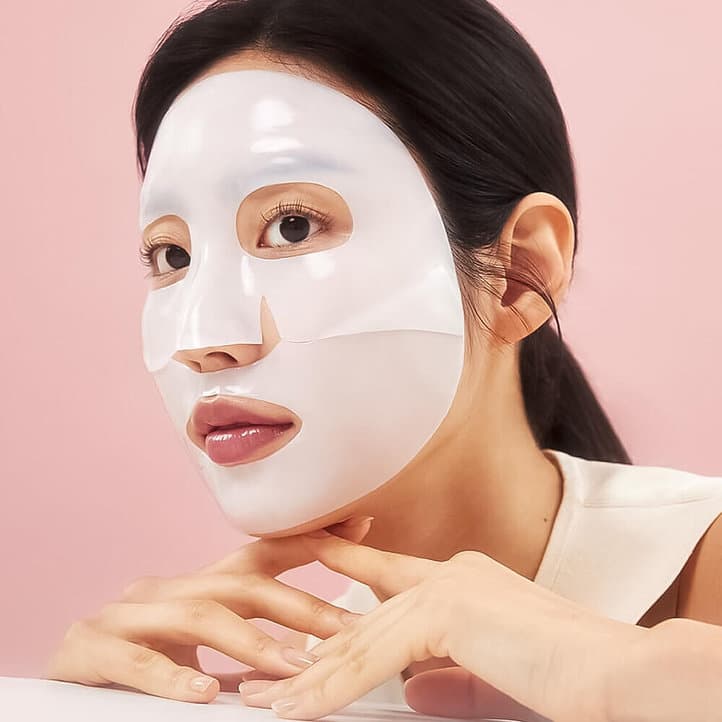
The cornerstone of Korean skincare — a single-use fabric or bio-cellulose mask soaked in concentrated serum that floods skin with active ingredients under occlusion.

The 14–28 day structured protocol for resetting a compromised skin barrier — strip the routine to the studs (cleanser, ceramide cream, SPF), drop every active, let the skin rebuild itself.

Injectable hyaluronic acid designed not to add volume but to deeply hydrate skin from within — creating a glow and texture improvement that no topical can replicate.

The four-night rotation that turned Dr. Whitney Bowe into a TikTok celebrity and actually lowered retinoid purge for millions.

A thick, occlusive overnight treatment that seals in moisture and actives while you sleep — K-beauty's answer to slugging, but with targeted ingredients.

The viral K-beauty technique of applying a thin layer of petrolatum (Vaseline) as the very last step of your PM routine to seal in all moisture and actives overnight.

The 2023–25 'lunchtime lift' upgrade — synchronous ultrasound beams delivered at exactly 1.5mm depth for mid-dermis collagen remodeling without the discomfort or downtime of HIFU.

Self-applied marine sponge spicules — microscopic silica needles that physically penetrate the stratum corneum, marketed as 'microneedling in a bottle.'

Dissolvable threads anchored into the skin, lifted and pulled tight — a non-surgical facelift that lasts 12–18 months.

Tixel is a thermo-mechanical fractional treatment that uses titanium tip thermal energy to create controlled micro-injury without lasers or radiofrequency. The technique delivers fractional resurfacing and skin tightening with shorter recovery than ablative laser equivalents, making it popular among clients who want CO2-laser-class results with less downtime.

VI Peel is a branded medium-depth chemical peel system using a proprietary blend of trichloroacetic acid (TCA), retinoic acid, salicylic acid, phenol, and vitamin C. The peel is sold in multiple variants targeting different concerns (acne, melasma, anti-aging, body) and is one of the most-used branded chemical peels in US dermatology.
FAQ
At-home treatments (sheet masks, exfoliating peels, LED, jade rolling) are low-strength versions you do yourself between facials. In-clinic procedures (chemical peels, microneedling, laser, IPL, ultherapy) are higher-strength interventions that need a licensed professional. Use the filter at the top to see one or the other.
Each treatment page covers contraindications, downtime, and risk profile. The short version: most at-home treatments are very safe when you follow the directions; in-clinic procedures are safe when performed by a licensed practitioner who matches the protocol to your skin. Pregnancy, recent retinoid use, and active acne all change the math.
Depends on the strength and your skin's tolerance. Gentle PHAs and enzyme masks: 2–3x a week. AHA/BHA peels: 1x a week. Stronger in-clinic peels: every 4–6 weeks. Listen to your skin — redness lasting more than a day is a sign you've gone too aggressive.
For at-home: tranexamic acid serums, vitamin C, niacinamide, and gentle weekly chemical exfoliation. For in-clinic: superficial chemical peels (TCA, glycolic), microneedling with PRP, or pico-laser. Each treatment page lists what concern it actually moves the needle on.
For an in-clinic procedure, yes — always. For at-home treatments, no, but if you have melasma, severe acne, rosacea, or are pregnant, it's worth a single consultation to set the strategy. Our content is editorial, not medical advice.