In Cliniclaser
CO2 Fractional Laser Resurfacing
Medically reviewed by ChokChok · Updated April 17, 2026

Ask ChokChok AI
Get instant answers about CO2 Fractional Laser Resurfacing
Try asking
Powered byCHOKCHOK
The most aggressive skin-resurfacing laser in dermatology — two weeks of recovery in exchange for collagen, tone, and texture results that nothing else comes close to.
How It Works
A CO2 laser beam is split into thousands of microscopic columns ('pixels') that penetrate into the dermis, creating controlled wound columns while leaving surrounding tissue intact. This speeds healing versus full-field ablation and allows collagen remodeling over the following 3-6 months. Depth and density are dialed based on indication — shallow for sun damage, deep for acne scars.
What to Expect
Day 0-3: burning sensation, oozing, aggressive swelling. Day 4-7: dry peeling, crusting, intense redness. Day 7-14: pink-to-rose flush, makeup-coverable by day 10-14. Month 1-3: ongoing collagen building, continued brightening. Month 6: final results visible.
Deep Dive
Fractional CO2 (10,600 nm wavelength) is the strongest non-surgical resurfacing treatment available. Unlike Fraxel (which is non-ablative and skips the outer skin layer), CO2 actually vaporizes microscopic columns of tissue, triggering a full dermal wound-healing cascade. The result is dramatic: deep wrinkles, acne scars, sun damage, and textural irregularity all improve in a single session, often by 60-80% in the areas treated. The cost: 7-14 days of visible recovery, with peeling, oozing, and redness that patients describe as 'sunburned, then pink for a month'. CO2 fractional is the standard of care for severe photoaging, boxcar acne scars, and deep perioral lines that filler can't reach. Ablative means the treated columns form an open wound environment, so strict recovery protocols matter: occlusive barrier repair, no sun exposure for 8 weeks, aggressive daily SPF for 6 months. Done well, results can last 5-10 years. Done poorly, you can get persistent redness, hypopigmentation (especially in darker skin tones), or scarring. Fitzpatrick IV-VI skin types need a more experienced operator and often lower-density settings. The sweet spot is a board-certified dermatologist who does this weekly, not a med-spa that does it occasionally.
Pros
- ✓ Strongest non-surgical resurfacing on the market
- ✓ Treats deep acne scars that no topical can touch
- ✓ Single-session results (compared to 4-6 for non-ablative alternatives)
- ✓ Gold-standard evidence base over 25+ years
Cons
- ✗ Significant recovery — not a 'lunchtime' procedure
- ✗ Cost puts it out of reach for most
- ✗ Requires meticulous post-care discipline
- ✗ Higher pigmentation risk in Fitzpatrick IV-VI
Risks & Side Effects
- ⚠ Post-inflammatory hyperpigmentation (especially darker skin types)
- ⚠ Hypopigmentation (rare but essentially permanent)
- ⚠ Infection if wound care is neglected
- ⚠ Prolonged erythema lasting 2-3 months
- ⚠ Scarring if aftercare fails
✗
Pregnancy Safety
Avoid during pregnancy
See It on TikTok
Sources
- [1]Fractional CO2 resurfacing — long-term outcomes (2009) — View source
- [2]Ablative fractional laser review (2017) — View source
- [3]CO2 laser for acne scarring (2011) — View source
This is not medical advice. Always consult your healthcare provider or dermatologist before trying new treatments, especially in-clinic procedures.
Routines for Related Concerns
Step-by-step K-beauty routines that complement CO2 Fractional Laser Resurfacing.
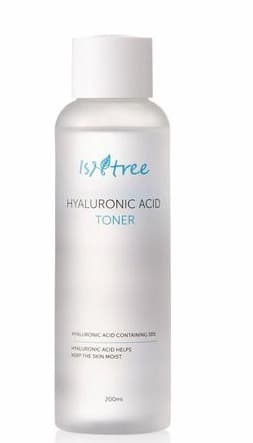
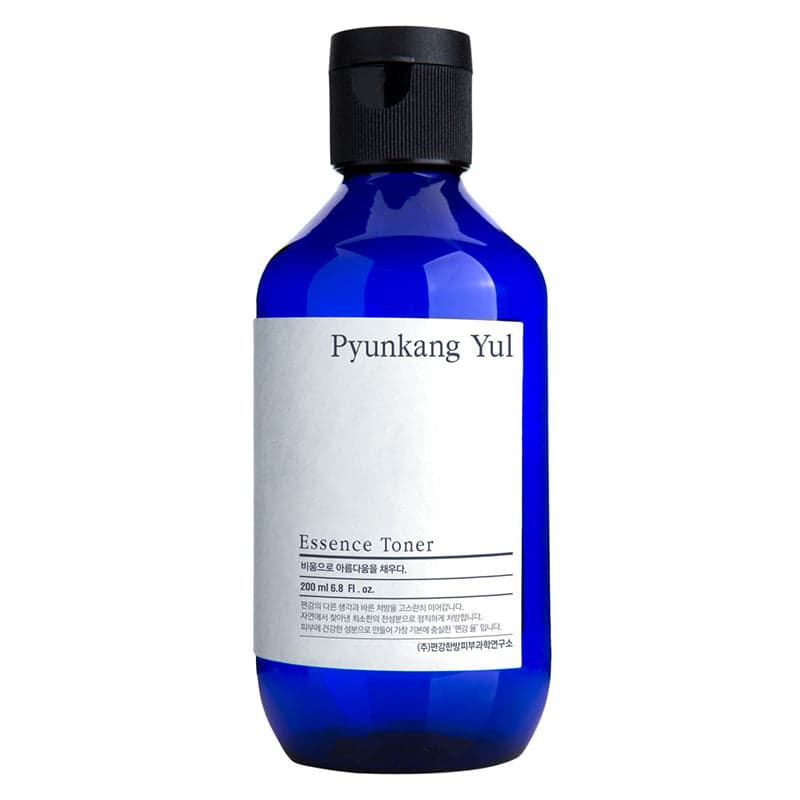
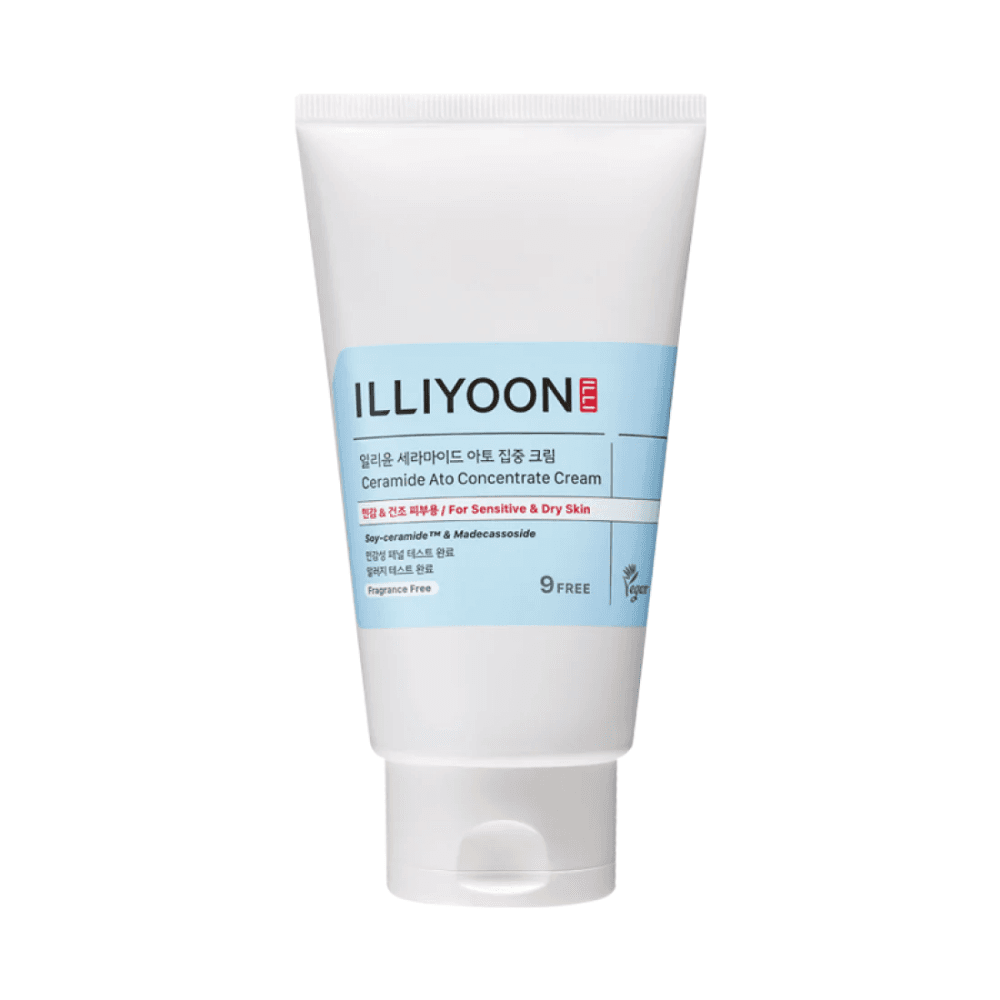
Products That Complement CO2 Fractional Laser Resurfacing
Products featuring the same key active ingredients — great for extending results between treatments.

Related Reading
Guide7 min read
Rilastil: the Italian pharmacy workhorse dermatologists won't stop prescribing
Rilastil is the Italian pharmacy brand that Italian dermatologists actually prescribe — not the one influencers post about. Five decades of Ganassini family ownership, a clinical pipeline that prioritises reactive and atopic skin, and a catalogue so deep it covers everything from neonatal care to post-procedure recovery. Here's why it matters, what to buy first, and how it compares to the French pharmacy giants.
it-beautyrilastilitalian-pharmacy
Guide9 min read
The Japanese 'milk' step: Albion, Kanebo, Minon and the Western blind spot
Japanese skincare routines have a step Western consumers consistently miss: the milky lotion that sits between toner and cream. Albion's Infinesse Derma Pump Milk, Kanebo's Cream In Day, Minon's Amino Moist Milk all built their identities around this format. The Japanese 'milk' step delivers a hydration-and-treatment layer that Western routines compress into either heavy moisturizer or thin serum. Here's the decode.
j-beautyjapanese-skincare-routinemilk-emulsion
Frequently Asked Questions
How often should I do CO2 Fractional Laser Resurfacing?
1-3 sessions, 3-6 months apart. Most people see results within immediate tightening; full collagen remodeling at 3-6 months.
Does CO2 Fractional Laser Resurfacing hurt?
The pain level for CO2 Fractional Laser Resurfacing is significant. Downtime: 7-14 days of visible recovery, 6 months of strict SPF discipline.
Is CO2 Fractional Laser Resurfacing safe during pregnancy?
CO2 Fractional Laser Resurfacing should be avoided during pregnancy. Consult your healthcare provider about safer alternatives.
What are the risks of CO2 Fractional Laser Resurfacing?
The main risks and side effects to be aware of: Post-inflammatory hyperpigmentation (especially darker skin types); Hypopigmentation (rare but essentially permanent); Infection if wound care is neglected. Always consult a qualified provider, especially for in-clinic procedures.
How much does CO2 Fractional Laser Resurfacing cost?
CO2 Fractional Laser Resurfacing is in the luxury range. Typical cost: $1,500-5,000 per session depending on area and depth.