Skincare During Pregnancy: What's Actually Safe (and What to Drop)
Your routine needs an edit, not a total rewrite. Here's the evidence-based guide to pregnancy-safe K-beauty.
Ask ChokChok AI
Get instant answers about "Skincare During Pregnancy: What's Actually Safe (and What to Drop)"
Try asking
The Short Version
Pregnancy skincare advice online ranges from "use nothing but water" to "everything is fine, relax." Neither is helpful. The reality is somewhere in the middle: a handful of ingredients have genuine safety concerns, most are perfectly fine, and your skin is about to go through hormonal chaos regardless.
Let's sort it out.
Ingredients to Avoid During Pregnancy
These have enough evidence of risk — or insufficient evidence of safety — that dermatologists broadly recommend avoiding them.
Retinol and All Retinoids
This is the big one. Oral retinoids (like isotretinoin) are known teratogens — they cause birth defects. Topical retinol hasn't been shown to cause harm at typical skincare concentrations, but the precautionary principle applies. No dermatologist will tell you to keep using retinol while pregnant.
Drop: Any product with retinol, retinal, retinaldehyde, or adapalene.
Replace with: Bakuchiol. A 2019 study in the British Journal of Dermatology showed comparable improvements in wrinkles and pigmentation versus retinol, with no known pregnancy risks. It's not identical, but it's your best option for the next nine months.
High-Concentration Salicylic Acid
Oral salicylic acid (aspirin) in high doses is contraindicated in pregnancy. Topical BHA at low concentrations (under 2%) is generally considered low-risk by most dermatologists, but many prefer to err on the side of caution.
Drop: BHA peels, high-concentration salicylic acid treatments.
Probably fine: A 0.5-2% BHA toner used occasionally. Discuss with your OB.
Hydroquinone
Used for hyperpigmentation, hydroquinone has higher systemic absorption than most topicals. Avoid it.
Replace with: Niacinamide, arbutin, or vitamin C for brightening.
Chemical Sunscreen Filters
Some chemical UV filters (oxybenzone, avobenzone) have shown endocrine-disrupting potential in studies. The risk from typical sunscreen use is likely minimal, but mineral sunscreens are an easy swap.
Replace with: Zinc oxide or titanium dioxide-based sunscreens.
Ingredients That Are Safe During Pregnancy
These have strong safety profiles and are your best friends for the next several months.
Niacinamide
Vitamin B3 is pregnancy-safe and arguably more useful than ever. It addresses hyperpigmentation (hello, melasma), strengthens the barrier, and controls oil — all things pregnancy skin needs.
Niacinamide is the MVP of pregnancy skincare. It does nearly everything you need without any safety concerns.
Hyaluronic Acid
A humectant that your skin already produces. Completely safe. Pregnancy can cause dehydration, so hyaluronic acid serums and toners become even more valuable.
Azelaic Acid
One of the few acne-fighting actives that's considered safe during pregnancy. It's FDA Category B (animal studies showed no risk, limited human data). Dermatologists frequently recommend it for pregnancy acne and melasma.
Good for: Hormonal breakouts, melasma, uneven texture.
Centella Asiatica
Anti-inflammatory, barrier-supporting, and safe. Centella-based products are ideal for the increased sensitivity many people experience during pregnancy.
Ceramides
Barrier lipids. No systemic absorption concerns. Your barrier may weaken during pregnancy due to hormonal shifts, so ceramide-rich moisturizers are a smart choice.
Snail Mucin
No safety concerns. The hydration and barrier support are welcome when your skin is acting unpredictable.
A Pregnancy-Safe K-Beauty Routine
Morning:
- Gentle cleanser — Etude SoonJung Whip Cleanser
- Hydrating toner — Torriden DIVE-IN Low Molecular Hyaluronic Acid Toner
- Niacinamide serum — Anua Niacinamide 10 Serum
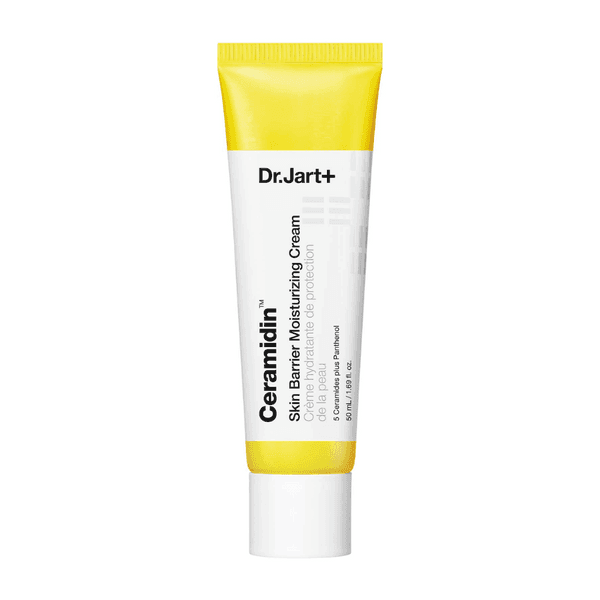
- Moisturizer — Dr. Jart+ Ceramidin Cream
- Mineral sunscreen — Beauty of Joseon Relief Sun (uses chemical filters but reef-safe) or a zinc-based option
Evening:
- Oil cleanser — Anua Heartleaf Pore Control Cleansing Oil
- Water cleanser — Etude SoonJung Whip Cleanser
- Centella treatment — Skin1004 Madagascar Centella Ampoule
- Moisturizer — Dr. Jart+ Ceramidin Cream
- Optional: Bakuchiol product (on non-sensitive nights)
Dealing with Pregnancy-Specific Skin Issues
Melasma (The "Mask of Pregnancy")
Up to 70% of pregnant people develop some degree of melasma. Your best tools:
- Niacinamide (5% or higher)
- Azelaic acid (10-20%)
- Vitamin C (L-ascorbic acid is safe)
- Rigorous sun protection — melasma is UV-driven
Pregnancy Acne
Hormonal surges in the first trimester often trigger breakouts. Without retinol and salicylic acid, lean on:
- Azelaic acid — antibacterial and anti-inflammatory
- Niacinamide — oil regulation
- Centella — calms inflammation without irritation
- Tea tree (low concentration) — antimicrobial, generally considered safe topically
Increased Sensitivity
Many people find their skin becomes more reactive during pregnancy. Simplify:
- Fewer products, more hydration
- Avoid fragrance if it's triggering reactions
- Centella and panthenol are your calming workhorses
The Bottom Line
Pregnancy skincare isn't about suffering through nine months with nothing but moisturizer and hope. Niacinamide, hyaluronic acid, azelaic acid, centella, and ceramides give you a genuinely effective toolkit. You're losing retinol temporarily — that's the main sacrifice. Everything else is manageable.
Talk to your OB or dermatologist about anything you're unsure about. And remember: whatever skin chaos pregnancy throws at you is temporary. Your full routine will be waiting on the other side.
Keep Reading
Thyroid Problems and Your Skin: A K-Beauty Guide for Hypo and Hyper
How hypothyroidism and hyperthyroidism affect skin, and which K-beauty strategies address each. Covers barrier repair for thyroid-related dryness, sensitivity management, and building a routine that supports medically compromised skin.
Menopause and K-Beauty: How to Address What Declining Estrogen Does to Your Skin
How perimenopause and menopause affect skin, and a K-beauty approach to managing the changes. Covers collagen loss, dryness, sensitivity, and which ingredients — peptides, ceramides, retinol, hyaluronic acid — address estrogen-related skin changes.