Menopause and K-Beauty: How to Address What Declining Estrogen Does to Your Skin
Estrogen kept your skin plump, hydrated, and resilient. When it leaves, your routine needs to step up.
Ask ChokChok AI
Get instant answers about "Menopause and K-Beauty: How to Address What Declining Estrogen Does to Your Skin"
Try asking
What Happens to Skin During Menopause
Estrogen is, arguably, the most important hormone for skin health. It stimulates collagen production, maintains skin thickness, supports hydration through hyaluronic acid synthesis, and regulates oil production. When estrogen levels decline during perimenopause and menopause, the effects are rapid and visible.
The numbers are sobering:
- Collagen decreases by approximately 30% in the first five years after menopause
- Skin thickness declines by about 1.13% per postmenopausal year
- Sebum production drops significantly, leading to dryness
- Hyaluronic acid production decreases, reducing the skin's ability to retain moisture
- Elastin degrades faster, contributing to sagging
This isn't vanity. These changes affect skin's ability to function as a protective barrier, heal from injuries, and defend against environmental damage.
Menopause doesn't slowly age your skin. It accelerates aging dramatically in a compressed timeframe. Five years of collagen loss that would normally take decades happens in the first five years postmenopause.
The Core Menopausal Skin Concerns
Dryness and Dehydration
Without adequate estrogen, skin produces less sebum and less hyaluronic acid. The result is dryness at every level — surface flaking, dehydration in deeper layers, and a barrier that can't hold moisture.
Loss of Firmness and Elasticity
Collagen and elastin decline means skin that was firm and bouncy becomes thinner, looser, and more prone to sagging. Gravity wins when the scaffolding weakens.
Increased Sensitivity
A compromised barrier means increased reactivity. Products that were fine for decades may suddenly cause irritation. Rosacea can develop or worsen during menopause.
Hyperpigmentation
Age spots and uneven tone accelerate. Without estrogen's melanin-regulating effects, pigmentation becomes more erratic.
Slower Healing
Wounds, blemishes, and irritation take longer to resolve. Cell turnover slows down.
K-Beauty Ingredients That Address Menopausal Skin
Peptides
Peptides are short chains of amino acids that signal your skin to produce more collagen. With your natural collagen production declining, peptides become one of the most important ingredients in your routine.
Copper peptides, palmitoyl tripeptide, and matrixyl are among the most studied. They don't replace what estrogen did, but they provide a meaningful collagen-stimulating signal.
Retinol
Still the most evidence-backed topical for stimulating collagen production and accelerating cell turnover. Menopausal skin may need a gentler introduction (or reintroduction) since sensitivity often increases. Start low, buffer well, and build up.
For those who can't tolerate retinol, bakuchiol offers a gentler alternative with some supporting evidence.
Ceramides
With the lipid barrier compromised by reduced sebum production, ceramides become essential. They literally replace the structural lipids your skin isn't making enough of. Think of ceramide creams as prosthetic barrier repair.
Hyaluronic Acid
Your skin is producing less of its own hyaluronic acid. Topical HA doesn't penetrate to the dermal layer where most of the decline occurs, but it significantly improves surface and upper-layer hydration — which matters for comfort, appearance, and barrier function.
Multiple molecular weights (standard HA for surface, low molecular weight for slightly deeper penetration) provide the most complete hydration.
Niacinamide
An all-around workhorse for menopausal skin: strengthens the barrier, supports collagen production, helps with hyperpigmentation, and improves elasticity. It plays well with every other ingredient on this list.
Squalane
A lipid that mimics your skin's natural sebum. As sebum production declines, squalane provides the emollience your skin is missing. Lightweight enough for layering, effective enough to make a noticeable difference in skin comfort.
Snail Mucin
Glycoproteins, glycolic acid, zinc, and hyaluronic acid in a single ingredient. Snail mucin provides broad-spectrum hydration and supports healing — both increasingly important for menopausal skin.
A K-Beauty Routine for Menopausal Skin
Morning:
- Gentle cream cleanser — Etude SoonJung Whip Cleanser. No foaming cleansers — they strip already-depleted oils.
- Hydrating toner (2-3 layers) — Laneige Cream Skin Toner & Moisturizer. Creamy texture adds lipids while hydrating.
- Peptide or niacinamide serum — Beauty of Joseon Glow Serum (propolis + niacinamide) or a dedicated peptide product.
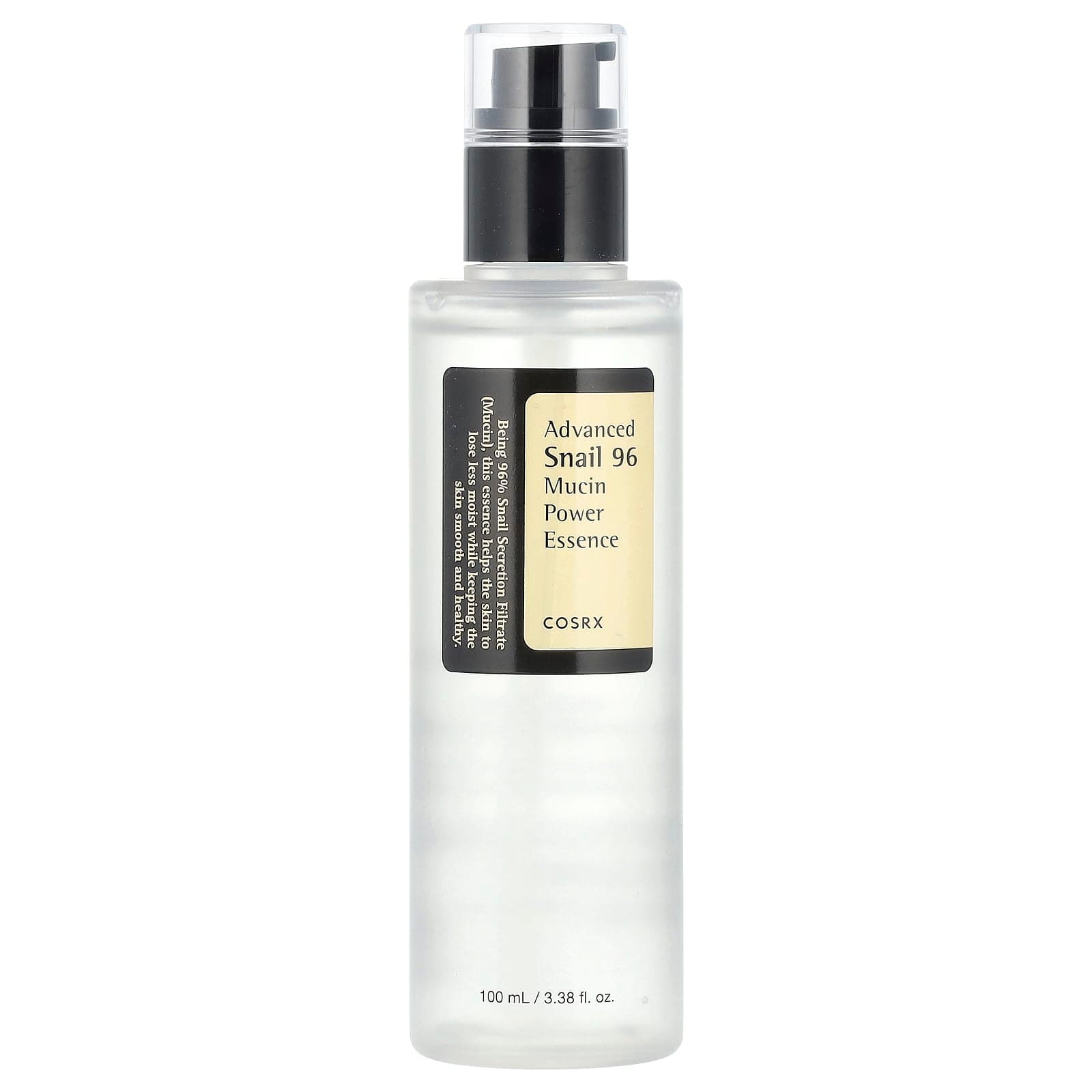
- Snail mucin — COSRX Advanced Snail 96 Mucin Essence. Humectant layer that supports everything above.
- Rich moisturizer — Sulwhasoo Essential Comfort Moisturizing Cream. Richer formulations are appropriate now.
- Sunscreen — Beauty of Joseon Relief Sun. UV protection becomes more critical as skin thins and pigmentation becomes irregular.
Evening:
- Oil cleanser — Heimish All Clean Balm. Oil-based cleansing adds lipids back while removing the day.
- Gentle water cleanser — Etude SoonJung Whip Cleanser.
- Hydrating toner (2-3 layers) — Torriden DIVE-IN Low Molecular Hyaluronic Acid Toner.
- Retinol (2-3 nights per week) — start with 0.025-0.05%, buffer between layers of moisturizer.
- COSRX Advanced Snail 96 Mucin Essence
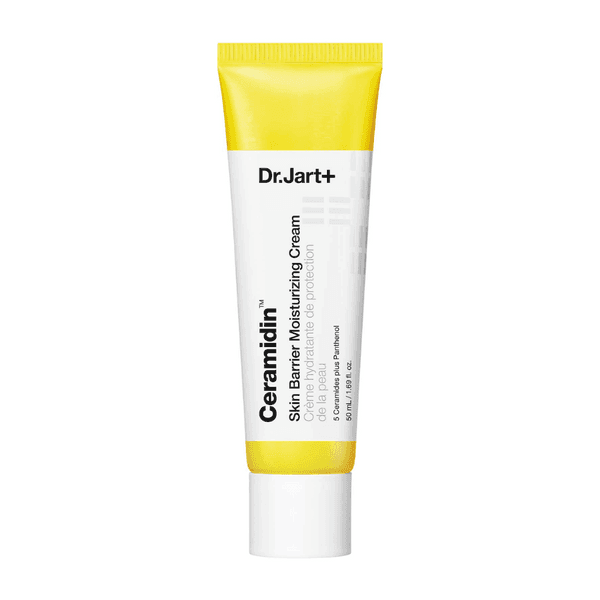
- Dr. Jart+ Ceramidin Cream — barrier repair and deep moisturization.
- Laneige Water Sleeping Mask (2-3 nights per week) — overnight hydration seal.
Adjustments for Perimenopause vs. Postmenopause
Perimenopause (Typically 40s)
Hormones are fluctuating, not yet consistently low. You may experience:
- Alternating oily and dry episodes
- New-onset acne (from hormonal fluctuations)
- Gradually increasing sensitivity
Adjust: Keep your routine flexible. Use lighter textures on oily days, heavier on dry days. If hormonal breakouts emerge, add azelaic acid or niacinamide rather than harsh acne treatments.
Postmenopause (After 12 Months Without a Period)
Hormone levels have settled at a consistently low level. Skin changes are more predictable and progressive.
Adjust: Commit to the richer routine above. This is when peptides and retinol become most important for maintaining collagen. Heavy hydration is no longer optional — it's your baseline.
Beyond Topicals
Skincare is one piece of the puzzle. Other factors that significantly affect menopausal skin:
- HRT (Hormone Replacement Therapy) — if appropriate for you, estrogen replacement can partially reverse skin changes. Discuss with your doctor.
- Nutrition — omega-3 fatty acids, phytoestrogens (soy, flaxseed), and adequate protein support skin health from the inside.
- Sleep — growth hormone released during deep sleep is essential for skin repair. Menopause often disrupts sleep — addressing this helps your skin too.
- Strength training — increases growth hormone and improves circulation, both of which benefit skin.
The Bottom Line
Menopause is a significant biological event, and pretending your skin doesn't need a routine overhaul is denial, not optimism. The K-beauty approach — layered hydration, barrier-first philosophy, targeted actives — is genuinely well-suited to menopausal skin's needs. Peptides, ceramides, retinol, and aggressive hydration won't replace estrogen, but they can meaningfully slow the visible effects of its decline. Start adjusting your routine in perimenopause, and your skin at 60 will reflect the investment.
Keep Reading
Estrogen-Loss Hydration: A Complete Routine for Menopausal Dryness
Menopausal dryness isn't normal dryness — it's biochemically distinct. The routine is too. Here is a complete hydration-first regimen engineered for post-estrogen skin.
Skincare During Pregnancy: What's Actually Safe (and What to Drop)
A clear-eyed guide to which K-beauty ingredients are safe during pregnancy and which need to go. Covers retinol alternatives, safe actives like niacinamide and azelaic acid, and how to build a minimal but effective routine for 40 weeks.
Thyroid Problems and Your Skin: A K-Beauty Guide for Hypo and Hyper
How hypothyroidism and hyperthyroidism affect skin, and which K-beauty strategies address each. Covers barrier repair for thyroid-related dryness, sensitivity management, and building a routine that supports medically compromised skin.