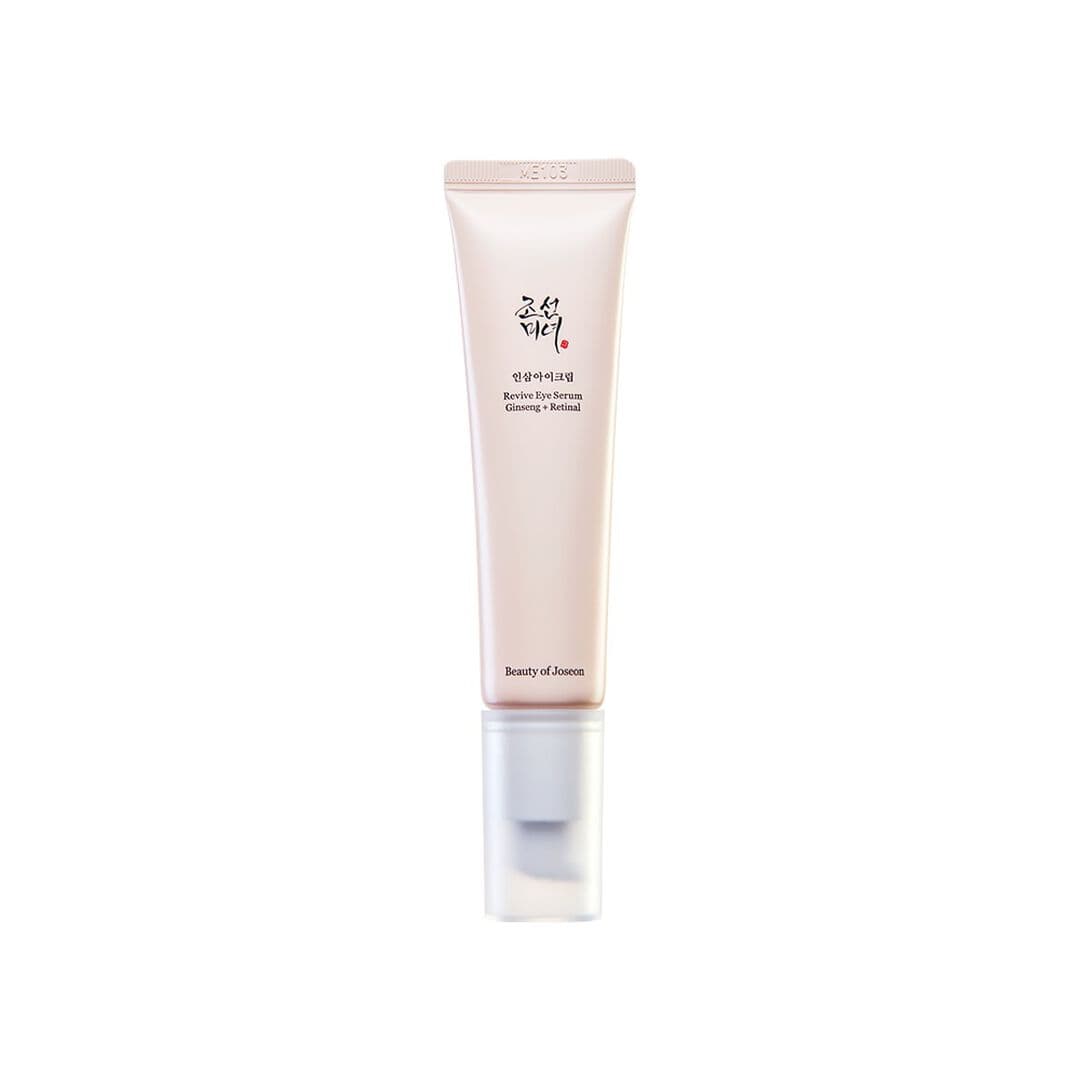
Retinol
Also known as: vitamin A, retinoid, retinyl palmitate
Retinol is the single most evidence-backed anti-aging ingredient in skincare, full stop. Decades of research confirm it accelerates cell turnover, stimulates collagen production, and treats both acne and photoaging. The catch: it requires patience and a smart introduction strategy.
What It Does
Deep Dive
The Gold Standard
Retinol is a form of vitamin A that, once applied to the skin, converts to retinoic acid (the active form). This process makes it gentler than prescription tretinoin but also means it's less potent. The trade-off is worth it for most people: fewer side effects with meaningful results over time.
What The Research Shows
The evidence for retinoids in anti-aging is overwhelming — we're talking hundreds of clinical trials spanning decades. Retinol has been shown to reduce fine lines, improve skin texture, fade hyperpigmentation, boost collagen density, and normalize skin cell turnover. Few ingredients come close to this track record.
The Adjustment Period
The dreaded 'retinol purge' is real. When you start using retinol, your skin may experience dryness, peeling, redness, and temporary breakouts as cell turnover accelerates. This typically lasts 2-6 weeks. The 'sandwich method' (moisturizer, retinol, moisturizer) helps minimize irritation during the adjustment phase.
K-Beauty's Approach
K-beauty brands tend to favor gentler retinol formulations with lower concentrations buffered by soothing ingredients like centella and panthenol. This aligns well with the evidence: consistent use of moderate concentrations delivers better long-term results than aggressive high-concentration products that you can't tolerate daily.