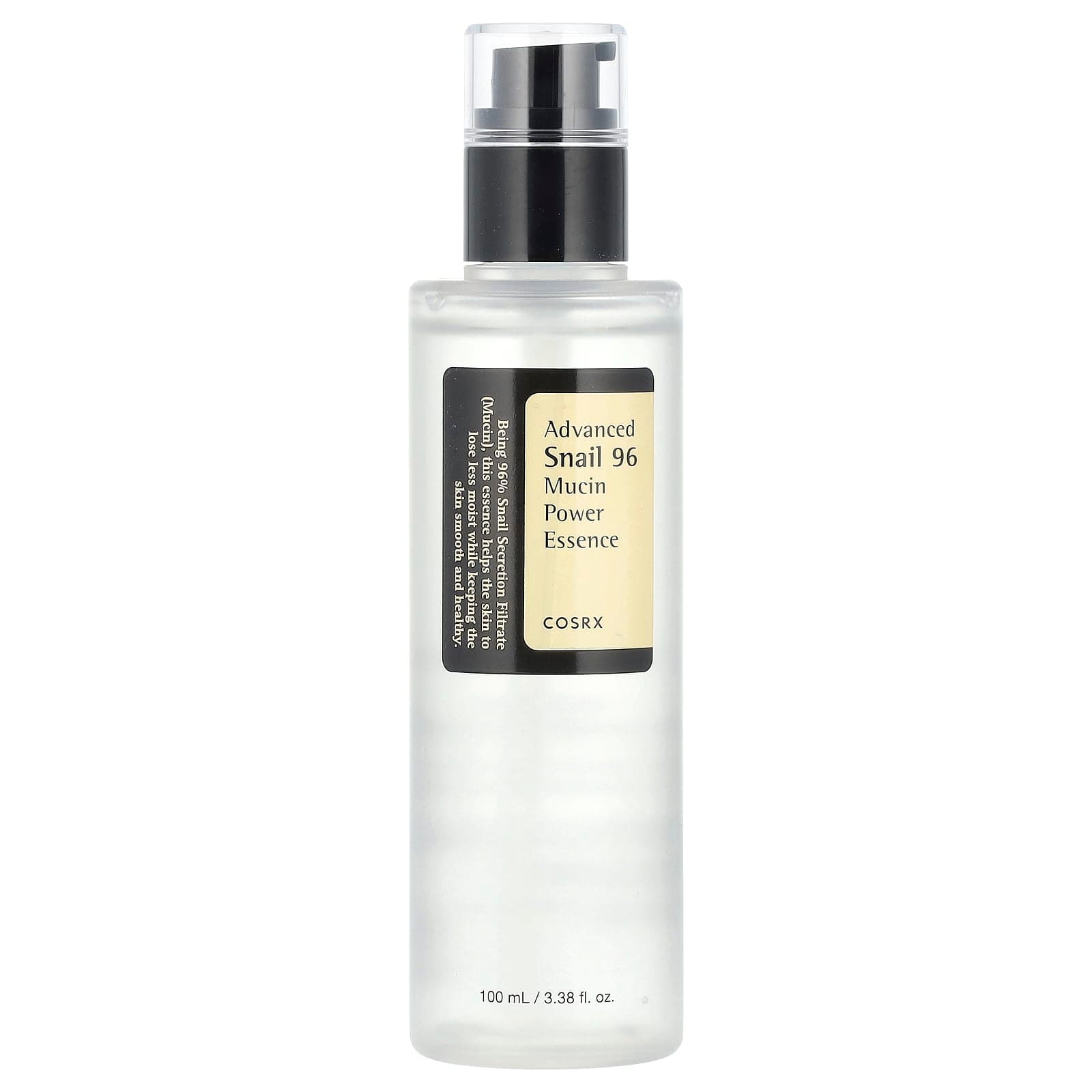
Snail Mucin
Also known as: snail secretion filtrate, snail extract, Cornu aspersum
Snail mucin is one of K-beauty's most iconic — and most debated — ingredients. The evidence suggests genuine hydrating and wound-healing properties from its glycoprotein, glycolic acid, and hyaluronic acid content, but the clinical data specifically for skin application is more limited than the hype implies.
What It Does
Deep Dive
What Is Snail Mucin?
Snail mucin (snail secretion filtrate) is the mucus produced by snails, primarily Cryptomphalus aspersa. It contains a complex mix of glycoproteins, glycolic acid, hyaluronic acid, copper peptides, and antimicrobial peptides. This combination gives it theoretical multi-functional benefits.
The Evidence Gap
Here's the honest assessment: snail mucin has demonstrated wound-healing and regenerative properties in lab studies and some clinical trials, but the body of evidence is smaller than you'd expect given its popularity. Most studies are small, and some are funded by companies that sell snail mucin products. The ingredient works, but it's not the miracle that marketing suggests.
What It Actually Does Well
Snail mucin excels as a lightweight hydrating layer. The glycoproteins form a moisture-retaining film on the skin, and the naturally occurring glycolic acid provides mild (very mild) exfoliation. Users consistently report improved skin texture and hydration. For sensitive skin especially, it's a gentle option.
The Ethical Question
It's worth noting that snail mucin production raises ethical questions. While many Korean brands claim their extraction processes don't harm the snails, transparency varies. If this concerns you, alternatives like synthetic glycoproteins and traditional humectants can provide similar hydrating benefits.