Hyaluronic Acid
Also known as: HA, sodium hyaluronate, hyaluronan
Hyaluronic acid is a naturally occurring molecule that can hold up to 1,000 times its weight in water — a claim that's technically true but slightly misleading in skincare context. It's an excellent humectant that draws moisture to the skin, but works best in humid environments or when sealed with an occlusive.
What It Does
Deep Dive
The Science Behind HA
Hyaluronic acid is a glycosaminoglycan naturally found in skin, connective tissue, and eyes. In skincare, it functions as a humectant — drawing water from the environment and deeper skin layers to hydrate the surface. The molecule itself is too large to penetrate skin in its native form, which is why most products use sodium hyaluronate (the salt form) or low molecular weight variants.
Molecular Weight Matters
Not all HA is created equal. High molecular weight HA (>1000 kDa) forms a film on the skin surface, providing immediate but temporary plumping. Low molecular weight HA (<50 kDa) can penetrate deeper into the epidermis for longer-lasting hydration. The best formulations use a blend of both. Some newer research suggests very low molecular weight HA may trigger mild inflammation, though this is still debated.
The Humidity Factor
Here's what most brands won't tell you: in dry climates, HA can actually draw moisture from deeper skin layers rather than the environment, potentially making dryness worse. If you live somewhere arid, always layer an occlusive (like squalane or a cream) over your HA products. In humid environments, HA works beautifully on its own.
Practical Tips
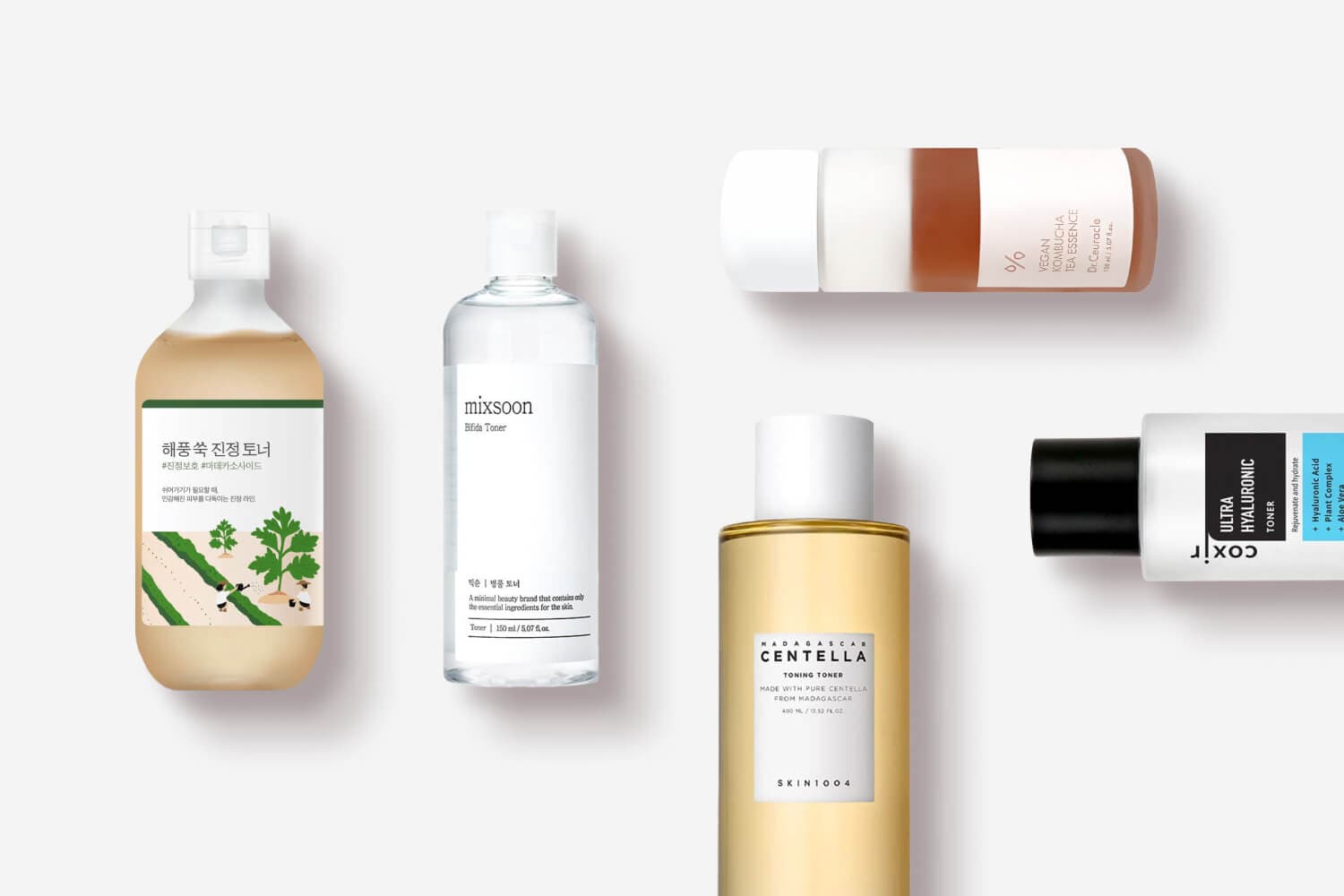
Apply HA to damp skin for best results. It needs water to work — slathering it on dry skin in a dry room won't do much. Layer it under a moisturizer or occlusive to lock the hydration in place. Most K-beauty toners and essences contain some form of HA.