Centella Asiatica
Also known as: cica, tiger grass, gotu kola, Centella Asiatica extract
Centella asiatica is the ingredient behind the 'cica' trend in K-beauty, and for once the hype is largely justified. With solid clinical evidence for wound healing, anti-inflammatory activity, and collagen synthesis support, it's one of the best-studied botanical ingredients in dermatology.
What It Does
Deep Dive
What Is Centella Asiatica?
Centella asiatica is a plant that has been used in traditional medicine across Asia for centuries. In modern skincare, it's valued for its four key active compounds: madecassoside, asiaticoside, madecassic acid, and asiatic acid. Together, these are sometimes referred to as TECA (Titrated Extract of Centella Asiatica).
The Evidence
Centella's wound-healing properties are well-documented in clinical literature. It stimulates collagen type I synthesis, supports fibroblast proliferation, and has demonstrated anti-inflammatory effects in multiple studies. It's one of the few botanical ingredients where the traditional use actually aligns with modern research.
Why K-Beauty Loves It
The 'cica' trend in K-beauty isn't just marketing — products formulated with centella extracts genuinely help calm irritated skin, support recovery after procedures, and strengthen the skin barrier. It's particularly popular in post-procedure creams and sensitive skin lines.
How to Use It
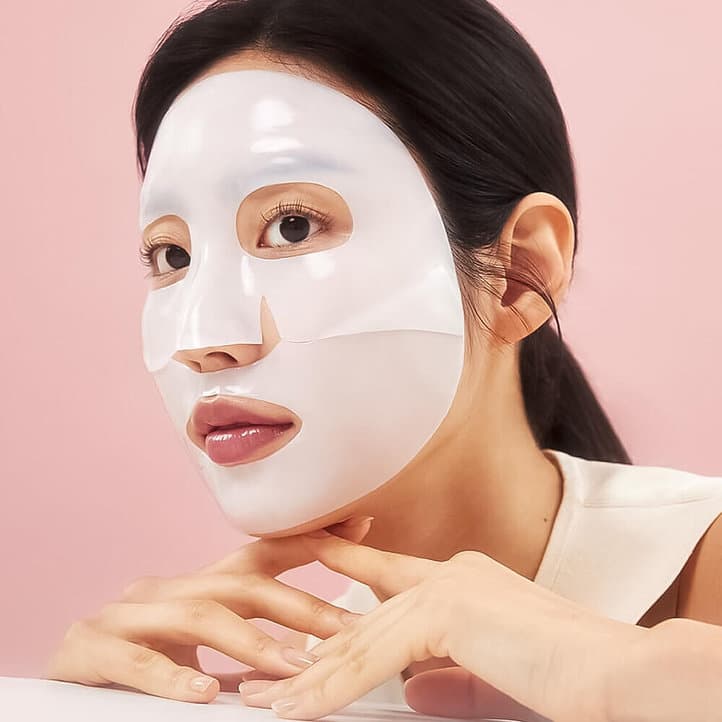
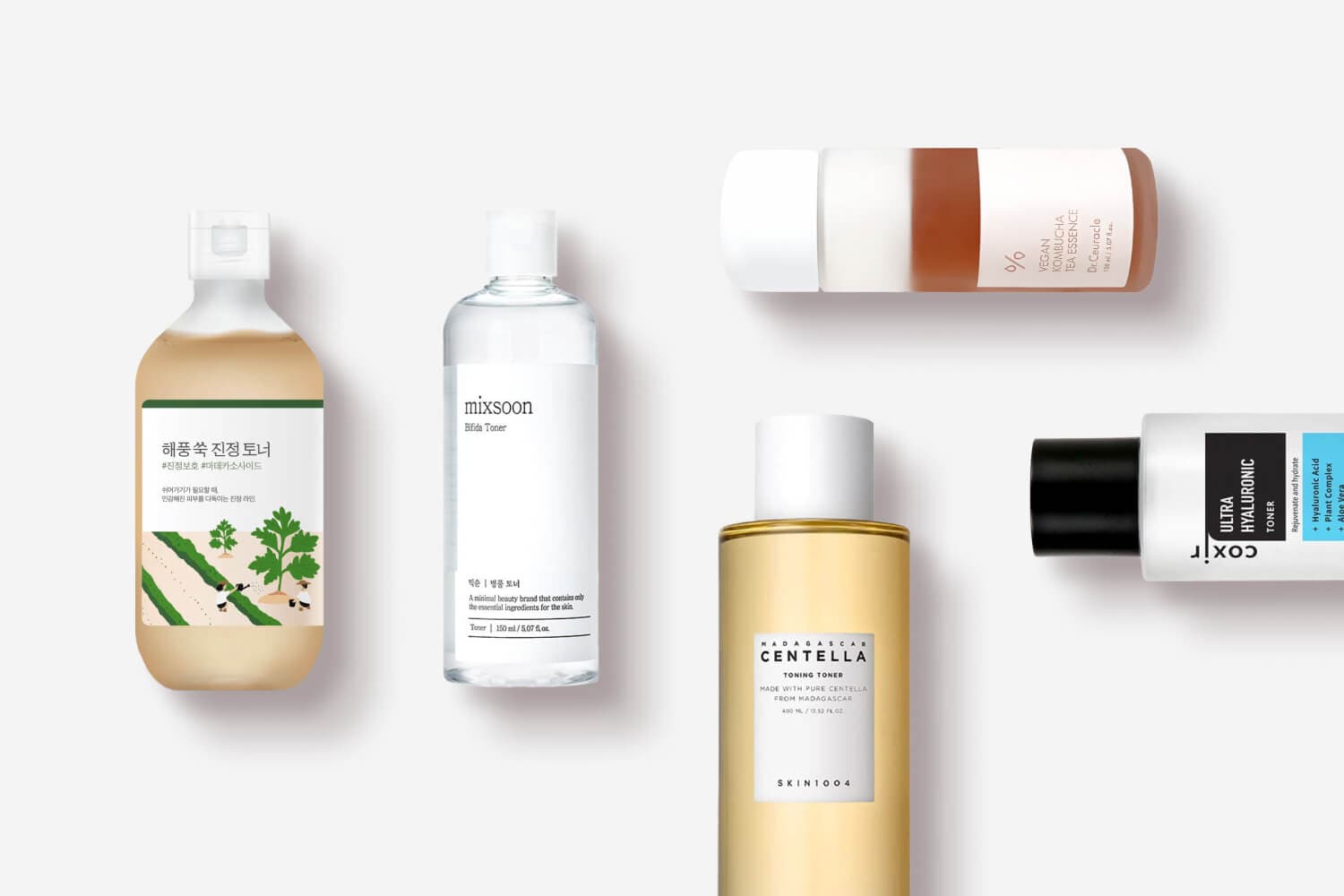
Centella works well in virtually any format — serums, creams, sheet masks, and toners. It pairs beautifully with other soothing ingredients like panthenol and ceramides. There's no irritation risk, no sun sensitivity concerns, and it plays well with actives like retinol and acids.