Ceramides
Also known as: ceramide NP, ceramide AP, ceramide EOP, phytoceramides
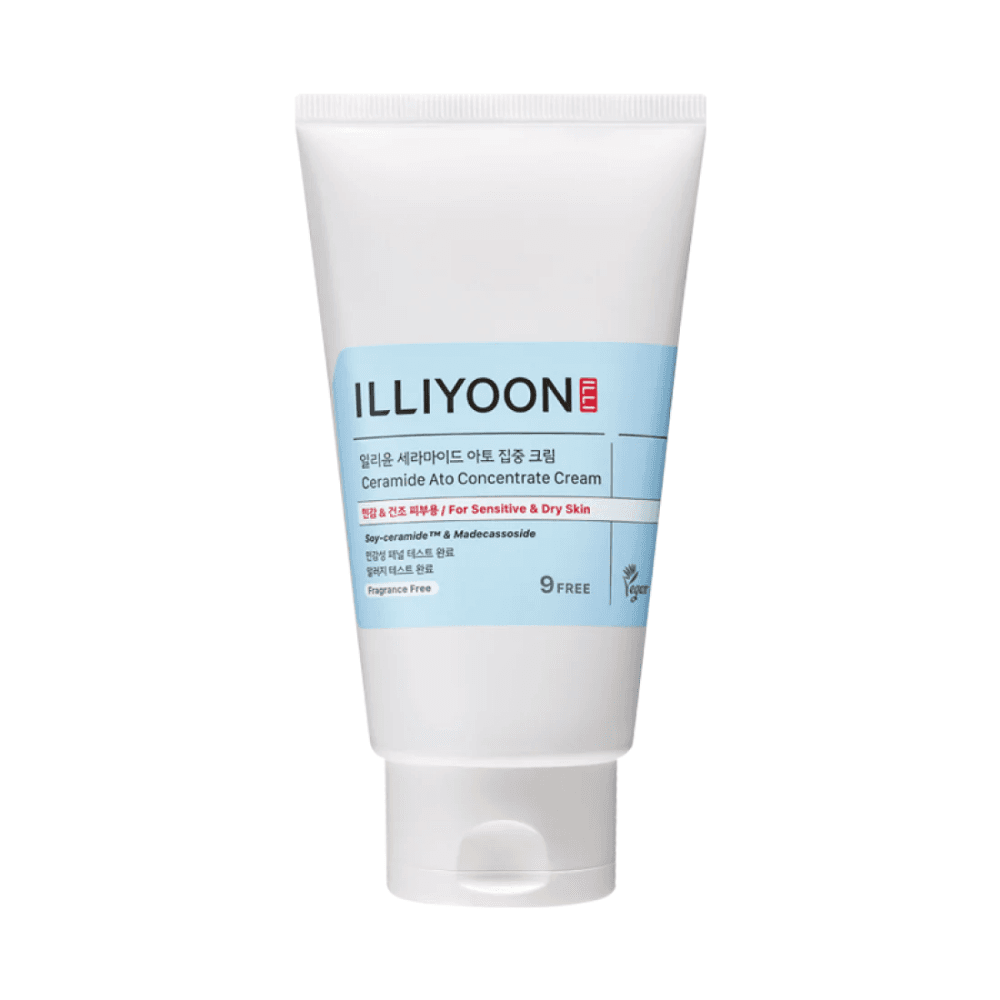
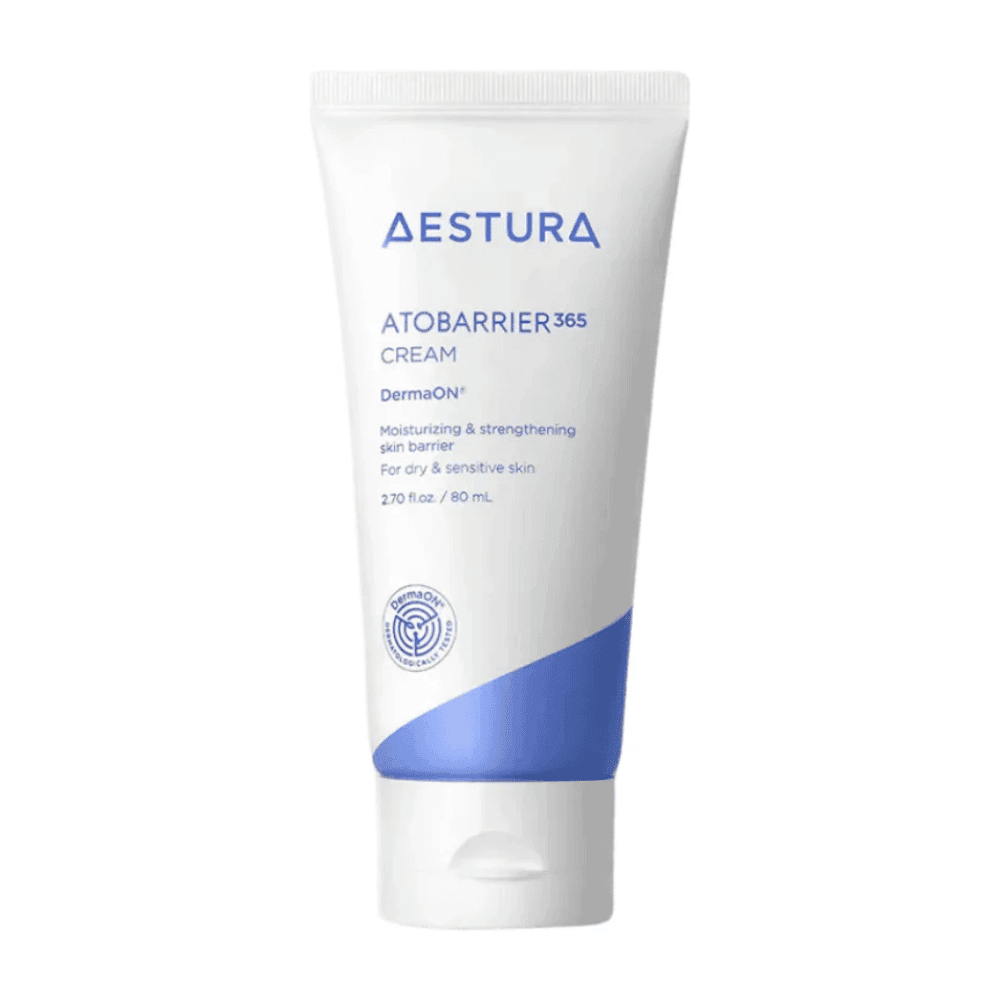
Ceramides are lipids that make up roughly 50% of the skin barrier. They're not glamorous, rarely trend on social media, and don't promise overnight transformation — which is exactly why they work. Consistent use demonstrably improves barrier function, moisture retention, and skin resilience.
What It Does
Deep Dive
The Barrier Basics
Your skin barrier (stratum corneum) works like a brick wall: skin cells are the bricks, and a mortar of lipids holds them together. Ceramides are the largest component of that lipid mortar, alongside cholesterol and free fatty acids. When ceramide levels are depleted — through harsh cleansing, aging, or environmental damage — the barrier weakens, leading to dryness, sensitivity, and increased susceptibility to irritants.
The Evidence Is Clear
Ceramide-based moisturizers have been studied extensively, particularly for conditions like eczema and dry skin. Research consistently shows that topical ceramides help restore barrier function, reduce transepidermal water loss (TEWL), and improve symptoms of xerosis. They're considered a cornerstone of dermatological barrier repair.
The Ratio Matters
The most effective ceramide products don't just contain ceramides — they include a balanced ratio of ceramides, cholesterol, and fatty acids that approximates the skin's natural lipid composition. Dr. Peter Elias's research demonstrated that this physiologic ratio (roughly 3:1:1) outperforms ceramides alone.
Why They're Underrated
Ceramides rarely go viral because they don't produce dramatic, Instagram-worthy results. They work slowly, quietly, and cumulatively. But if you have any kind of barrier compromise — from over-exfoliation, retinol irritation, or naturally dry/sensitive skin — ceramides are among the most evidence-backed solutions available.