Panthenol
Also known as: vitamin B5, D-panthenol, provitamin B5, dexpanthenol
Panthenol is vitamin B5's topical form, and it's one of the most reliable barrier-repair ingredients available. It penetrates the skin and converts to pantothenic acid, enhancing hydration, accelerating wound healing, and reducing inflammation. It's boring, effective, and in more products than you'd think.
What It Does
Deep Dive
How Panthenol Works
Panthenol is a provitamin — it converts to pantothenic acid (vitamin B5) in the skin. This active form is a component of coenzyme A, which plays a critical role in cellular energy metabolism and lipid synthesis. The result: enhanced barrier function, improved hydration, and faster wound healing.
The Evidence Base
Panthenol has been used in dermatology for decades, with a substantial body of clinical evidence supporting its barrier-repair and wound-healing properties. It's a standard ingredient in post-procedure care and burns treatment. Bepanthen, one of the world's most prescribed wound care products, is essentially concentrated panthenol.
The Perfect Supporting Player
Like ceramides and adenosine, panthenol rarely gets top billing but appears in a huge number of effective products. It enhances the performance of other actives by maintaining a healthy barrier — there's no point applying expensive serums if your barrier can't hold them in.
Practical Use
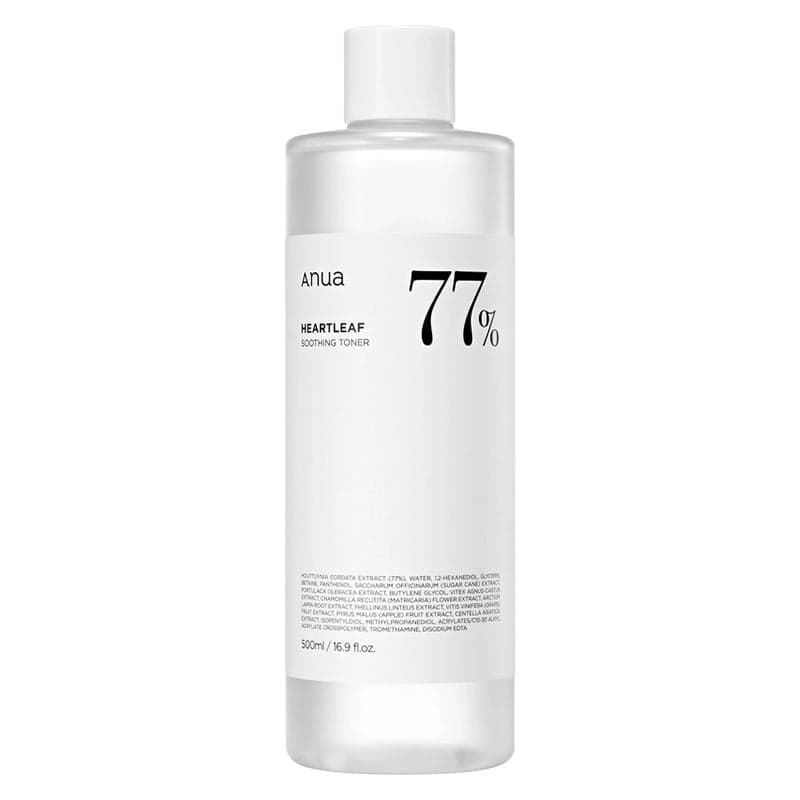
Panthenol is extremely well-tolerated, with virtually no irritation risk. It works in any product format and pairs well with everything. If you're experiencing irritation from retinol or acids, a panthenol-rich product can help your skin recover without disrupting your active routine.