On Antibiotics? Here's How to Adjust Your Skincare Routine
Doxycycline, minocycline, and other antibiotics change your skin in ways your routine needs to account for.
Ask ChokChok AI
Get instant answers about "On Antibiotics? Here's How to Adjust Your Skincare Routine"
Try asking
Why Antibiotics Affect Your Skin
If you've been prescribed oral antibiotics — commonly doxycycline or minocycline for acne, or amoxicillin, azithromycin, or others for infections — your skin is dealing with more than just the condition being treated. Antibiotics affect your skin in several ways:
- Photosensitivity — especially doxycycline. Your skin burns faster and more severely.
- Microbiome disruption — antibiotics don't discriminate between harmful and beneficial bacteria, including those on your skin.
- Barrier changes — some people experience increased dryness or sensitivity.
- Potential purging — if you're taking antibiotics for acne, initial worsening can occur as bacteria die off and inflammation peaks.
Your routine needs to adapt to these realities.
Doxycycline and Sun Sensitivity: This Is Not Optional
Doxycycline-induced photosensitivity is not a minor side effect. It's a phototoxic reaction — meaning the drug in your bloodstream reacts with UV radiation to cause an exaggerated burn response. You can burn severely in exposure that would normally cause no reaction.
This is the single most important skincare adjustment while on antibiotics.
Sunscreen Protocol on Doxycycline
- SPF 50+, every day, no exceptions. Even on cloudy days. Even if you're indoors near windows.
- Reapply every 2 hours during outdoor exposure.
- Broad spectrum is non-negotiable. You need UVA and UVB protection.
- Consider a mineral sunscreen — zinc oxide provides excellent broad-spectrum coverage.
- Wear a hat. Sunscreen alone may not be sufficient during peak UV hours.
I've seen people who never burned before get second-degree sunburns on doxycycline. This is not about being careful. It's about understanding that your threshold for UV damage has fundamentally changed.
Best K-Beauty Sunscreens for Antibiotic Users
- Beauty of Joseon Relief Sun — lightweight, high protection, no white cast
- Purito Centella Green Level Sun — additional centella for anti-inflammatory benefit
- Round Lab Birch Juice Moisturizing Sun Cream — hydrating formula for antibiotic-induced dryness
Barrier Support While on Antibiotics
Antibiotics can disrupt the skin's natural ecosystem and barrier function, leading to:
- Increased dryness
- New sensitivities to products you previously tolerated
- Flaking or tightness
- Eczema-like patches (especially around the mouth or nose)
What to Add
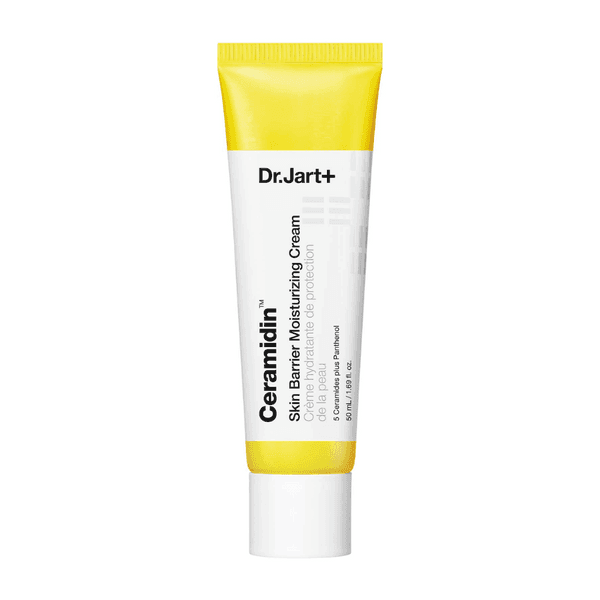
- Ceramides — Dr. Jart+ Ceramidin Cream or Etude SoonJung 2x Barrier Cream. Non-negotiable for barrier repair.
- Panthenol — soothes irritation and accelerates barrier recovery.
- Hyaluronic acid — counteracts dehydration. Torriden DIVE-IN Serum is ideal — lightweight, fragrance-free.
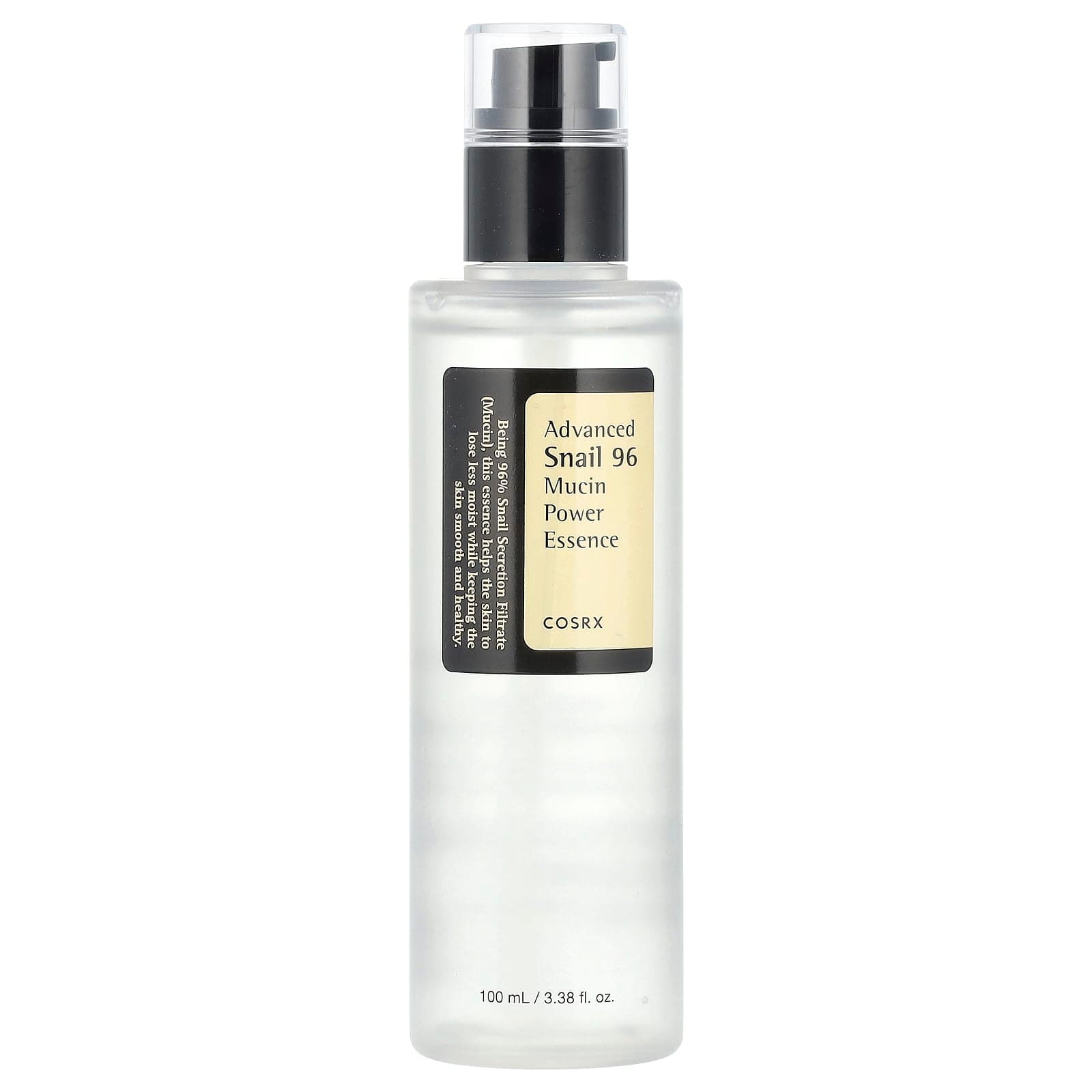
- Snail mucin — COSRX Snail 96 Mucin for all-purpose hydration and healing support.
What to Pause or Reduce
- Retinol — if you're on antibiotics for acne, your dermatologist may advise continuing a retinoid, but many people find their skin can't tolerate the combination. If you're getting flaky or irritated, reduce frequency.
- AHAs/BHAs — strong chemical exfoliants can overwhelm skin that's already being stressed by medication. Reduce to once or twice weekly, or pause.
- Vitamin C (L-ascorbic acid) — can sting on compromised barriers. Switch to a gentler derivative if needed, or pause.
The Microbiome Question
Oral antibiotics wipe out bacteria systemically — including the beneficial bacteria that live on your skin. This can lead to:
- Increased susceptibility to fungal acne (malassezia folliculitis)
- Changes in body odor
- Skin that seems more reactive than usual
Supporting Your Skin Microbiome
The science on topical probiotics and prebiotics is still early, but here's what's reasonable:
- Avoid antibacterial face washes — your skin's microbial community is already depleted. Don't strip it further.
- Use gentle, pH-balanced cleansers — COSRX Low pH Good Morning Gel Cleanser or Etude SoonJung Whip Cleanser.
- Consider fermented essences — products like Missha Time Revolution First Treatment Essence contain fermented ingredients that may support microbial diversity. Evidence is limited but the ingredients are skin-beneficial regardless.
- Be watchful for fungal acne — small, uniform bumps on the forehead, chest, or back. If this develops, see your dermatologist.
A Routine for Antibiotic Users
Morning:
- COSRX Low pH Good Morning Gel Cleanser
- Klairs Supple Preparation Toner
- Torriden DIVE-IN Serum
- Etude SoonJung 2x Barrier Cream
- Beauty of Joseon Relief Sun (generous application, reapply)
Evening:
- Manyo Factory Pure Cleansing Oil (to remove sunscreen thoroughly)
- Etude SoonJung Whip Cleanser
- COSRX Advanced Snail 96 Mucin Essence
- Dr. Jart+ Ceramidin Cream
Weekly:
- Laneige Water Sleeping Mask (1-2 nights) for intensive overnight hydration
After Your Antibiotic Course
When you finish your antibiotics, don't immediately resume your full pre-antibiotic routine. Your skin needs time to recalibrate.
Weeks 1-2 After Stopping
- Continue your gentle, barrier-focused routine.
- Photosensitivity from doxycycline can persist for several days to a week after your last dose. Keep sunscreen rigorous.
Weeks 2-4 After Stopping
- Gradually reintroduce actives, one at a time.
- Start with niacinamide (least irritating), then vitamin C, then retinol.
- Resume chemical exfoliants last.
Month 2+
- You should be back to your full routine.
- If skin concerns persist, they may be unrelated to the antibiotics — check in with your dermatologist.
The Bottom Line
Antibiotics are powerful tools for treating acne and infections, but they create a temporary state of skin vulnerability that your routine needs to respect. Prioritize sun protection above all else, support your barrier with ceramides and hydration, keep actives gentle, and be patient during and after your course. Your skin will recover — it just needs a soft landing.
Keep Reading
Thyroid Problems and Your Skin: A K-Beauty Guide for Hypo and Hyper
How hypothyroidism and hyperthyroidism affect skin, and which K-beauty strategies address each. Covers barrier repair for thyroid-related dryness, sensitivity management, and building a routine that supports medically compromised skin.
Skincare on Accutane: The Ultra-Gentle K-Beauty Routine You Actually Need
A comprehensive guide to building a K-beauty routine while on isotretinoin (Accutane). Covers the extreme dryness, barrier damage, and sun sensitivity that come with the medication, and which K-beauty products are gentle enough to use.