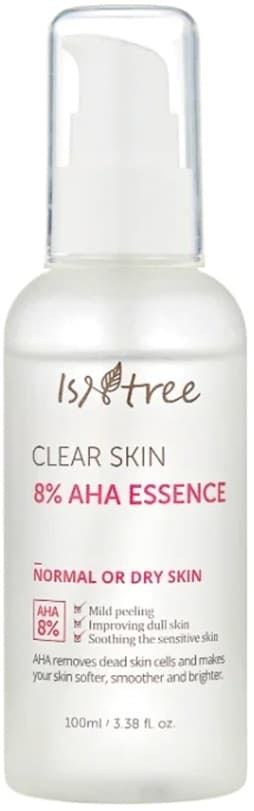
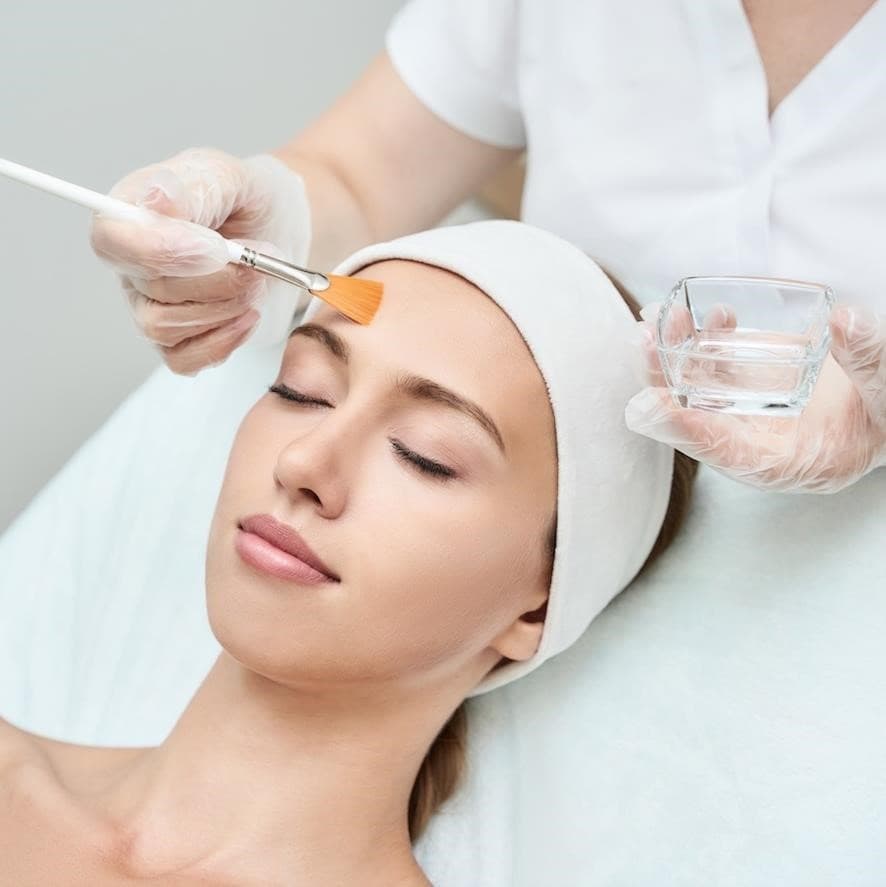
Glycolic Acid
Also known as: AHA, alpha hydroxy acid, glycolic
Glycolic acid is the smallest AHA molecule, which means it penetrates skin more effectively than its counterparts. It dissolves the bonds between dead skin cells, revealing smoother, brighter skin underneath. Among chemical exfoliants, it has the deepest evidence base.
What It Does
Deep Dive
The Smallest AHA
Glycolic acid has the smallest molecular size of all alpha hydroxy acids, allowing it to penetrate the stratum corneum more effectively than lactic acid, mandelic acid, or other AHAs. This makes it the most potent AHA but also the most likely to cause irritation.
How It Works
AHAs work by dissolving the intercellular cement (desmosomes) that holds dead skin cells together. This accelerates natural desquamation, revealing fresher skin. At higher concentrations and with consistent use, glycolic acid also stimulates glycosaminoglycan and collagen production in the dermis.
Usage Guidelines
Start with a low concentration (5%) used 2-3 times per week. Build up gradually. Always use sunscreen when using AHAs — they increase photosensitivity by thinning the outer layer of dead cells that provides some UV protection. Evening use is preferred.
AHA vs BHA
While glycolic acid works on the skin surface (water-soluble), BHA (salicylic acid) is oil-soluble and can penetrate into pores. For acne and blackheads, BHA is generally the better choice. For surface texture, dullness, and anti-aging, AHAs are more effective.