Safety Guide
Is Retinol Safe for Eczema?
Evidence-based safety information for using Retinol for eczema and atopic dermatitis.
🚫
Best to Avoid
Retinol is an active ingredient that can disrupt the skin barrier and worsen eczema. Avoid during flare-ups.
About Retinol
Retinol is the single most evidence-backed anti-aging ingredient in skincare, full stop. Decades of research confirm it accelerates cell turnover, stimulates collagen production, and treats both acne and photoaging. The catch: it requires patience and a smart introduction strategy.
Evidence Rating
Category
retinoid
What It Does
- • anti-aging
- • cell turnover
- • collagen synthesis
- • acne treatment
Key Considerations
Pregnancy
Avoid all retinoids during pregnancy. Oral retinoids are teratogenic, and while topical retinol absorption is low, dermatologists universally advise against use as a precaution
Breastfeeding
Limited data on topical retinol during breastfeeding. Consult your dermatologist — many recommend avoiding or using only low-concentration formulations
Eczema / Atopic dermatitis
Retinol may worsen flares due to its exfoliating action on an already compromised barrier. If using, start very low and buffer with ceramide-rich moisturizer
Medication Interactions
- avoidIsotretinoin (Accutane)
Both are retinoids — combining topical retinol with oral isotretinoin dramatically increases risk of irritation, dryness, and barrier damage
- cautionBenzoyl peroxide
Can oxidize and deactivate retinol if applied simultaneously. Use at different times of day
- cautionAHA/BHA exfoliants
Layering exfoliating acids with retinol increases risk of over-exfoliation, irritation, and barrier compromise
Avoid Combining With
- • glycolic acid — Both are exfoliating — using together increases irritation risk significantly
- • — Different optimal pH ranges; can destabilize each other. Use at different times of day
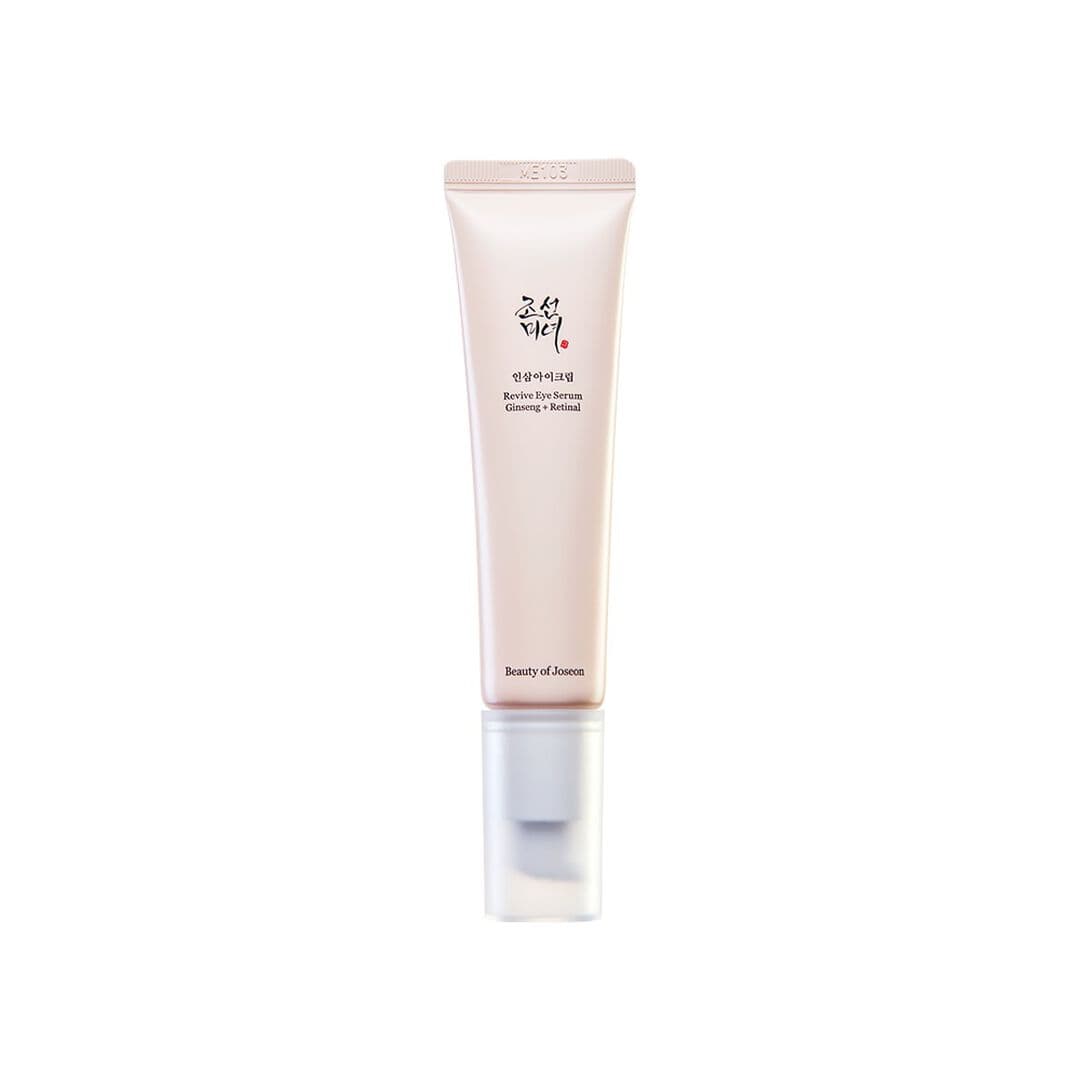
Products with Retinol
12 products in our database contain Retinol.


Also check: Is Retinol safe for...
Flip side
See the full list of ingredients to avoid for eczema.
Disclaimer: This information is for educational purposes only and is not medical advice. Always consult a qualified healthcare provider or dermatologist before making changes to your skincare routine, especially during pregnancy or if you have a medical condition.