How to Fix a Damaged Skin Barrier with K-Beauty
Your skin is telling you to stop. Here's how to listen.
Ask ChokChok AI
Get instant answers about "How to Fix a Damaged Skin Barrier with K-Beauty"
Try asking
How You Got Here
A damaged skin barrier is one of the most common — and most frustrating — skin issues people face. And in most cases, it's self-inflicted. Over-exfoliation, too many active ingredients at once, harsh cleansers, or just doing too much too fast. The skin barrier is resilient, but it has limits.
Your skin barrier (the stratum corneum) is essentially a wall of dead skin cells held together by lipids — primarily ceramides, cholesterol, and fatty acids. When this wall is intact, it keeps moisture in and irritants out. When it's compromised, everything goes wrong at once.
Signs Your Barrier Is Damaged
If you're experiencing several of these simultaneously, your barrier is likely compromised:
- Tightness after cleansing that doesn't go away
- Stinging or burning when applying products that previously didn't irritate
- Unusual redness or blotchiness
- Increased sensitivity to everything — even water feels irritating
- Dehydration despite using hydrating products
- Flaking or peeling in patches
- Breakouts in areas where you don't normally break out
The telltale sign: products that used to be fine suddenly sting or burn. That's your barrier telling you it's been breached.
What to Stop Doing Immediately
Before we talk about what to add, let's talk about what to remove. This is actually the most important step.
Stop all actives. Retinol, vitamin C, AHAs, BHAs, niacinamide at high concentrations — all of them. They're beneficial for healthy skin but actively harmful to a damaged barrier. You can reintroduce them once your barrier has recovered.
Stop physical exfoliation. No scrubs, no brushes, no washcloths. Your barrier is already compromised; mechanical friction makes it worse.
Simplify your routine to the absolute basics. Cleanser, moisturizer, sunscreen. That's it. Everything else is optional until your barrier is repaired.
Ingredients That Repair the Barrier
Ceramides
Ceramides make up approximately 50% of the lipids in your skin barrier. When the barrier is damaged, ceramide levels are depleted. Topical ceramides directly replenish what's been lost, accelerating barrier recovery.
Look for ceramide NP, ceramide AP, and ceramide EOP — these match the ceramides naturally found in skin.
Panthenol (Vitamin B5)
Panthenol is a humectant that attracts and retains water while also supporting the skin's natural repair processes. Research shows it can accelerate wound healing and reduce inflammation. It's gentle enough for the most reactive skin.
Centella Asiatica
Centella and its derivatives (madecassoside, asiaticoside) stimulate collagen synthesis and have anti-inflammatory properties. It's been used in wound healing for centuries, and modern research supports its efficacy for skin barrier repair.
Squalane
Squalane is a lipid that mimics your skin's natural sebum. It's non-comedogenic, deeply moisturizing, and helps reinforce the lipid matrix of the barrier. It's one of the most universally tolerated moisturizing ingredients.
Snail Mucin
Snail secretion filtrate contains glycoproteins, hyaluronic acid, and glycolic acid in naturally balanced proportions. It's particularly effective for barrier repair because it supports hydration and healing simultaneously.
The Barrier Repair Routine
This is intentionally simple. Resist the urge to add more steps.
Morning:
- Splash face with lukewarm water (skip cleanser if skin is very reactive)
- COSRX Advanced Snail 96 Mucin Power Essence — provides hydration and healing factors
- Etude SoonJung 2x Barrier Intensive Cream — ceramides + panthenol + madecassoside
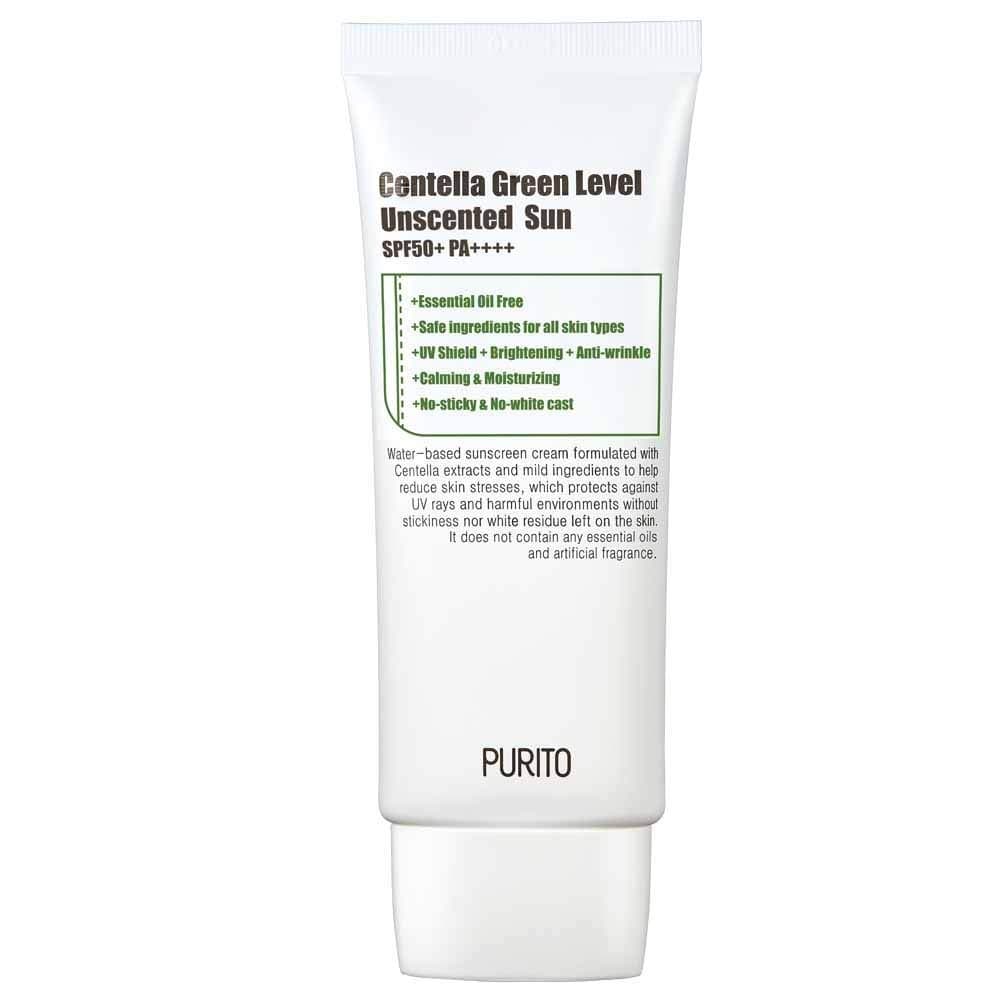
- Purito Centella Green Level Unscented Sun — gentle sun protection
Evening:
- COSRX Low pH Good Morning Gel Cleanser — gentle, pH-balanced
- COSRX Advanced Snail 96 Mucin Power Essence
- Etude SoonJung 2x Barrier Intensive Cream
- Optional: Dr. Jart+ Cicapair Cream as a final occlusive layer
Notice what's NOT in this routine: no acids, no retinol, no vitamin C, no exfoliants. Just hydration, barrier lipids, and healing ingredients.
The Recovery Timeline
Barrier repair is not instant. Here's a realistic timeline:
- Days 1-3: Stinging and sensitivity should begin to decrease
- Week 1: Redness starts to calm, tightness improves
- Weeks 2-3: Skin feels less reactive, hydration improves
- Weeks 4-6: Barrier is substantially repaired for most people
- Weeks 6-8: Full recovery; you can begin cautiously reintroducing actives
The timeline varies based on severity. If you went overboard with one night of over-exfoliation, recovery might take only a week. If you've been damaging your barrier for months, expect 6-8 weeks.
Reintroducing Actives After Recovery
Once your barrier has healed, don't dive back into your old routine. Reintroduce one active at a time, starting with the gentlest:
- Week 1-2: Niacinamide (2-4%) — well-tolerated and barrier-supportive
- Week 3-4: Hydrating toner with hyaluronic acid
- Week 5-6: Gentle exfoliant (BHA 1-2x per week)
- Week 7-8: Retinol or vitamin C (one at a time, not both)
If any product causes stinging or irritation, stop it and wait another week before trying again.
Prevention: Don't Let It Happen Again
- Introduce new actives one at a time with at least 2 weeks between additions
- Don't layer multiple acids in the same routine
- Exfoliate 2-3 times per week maximum, not daily
- Listen to your skin. Slight tingling is not the same as burning. If it hurts, stop.
A healthy skin barrier is the foundation of everything else in your routine. Without it, even the best serums and treatments can't do their job. Protect it first, optimize second.
Keep Reading
Thyroid Problems and Your Skin: A K-Beauty Guide for Hypo and Hyper
How hypothyroidism and hyperthyroidism affect skin, and which K-beauty strategies address each. Covers barrier repair for thyroid-related dryness, sensitivity management, and building a routine that supports medically compromised skin.
Best Korean Moisturizers for Every Skin Type
A comprehensive guide to the best Korean moisturizers across all skin types, including lightweight gels for oily skin, rich creams for dry skin, and barrier-repair options for sensitive types.
Best K-Beauty Products for Rosacea-Prone Skin
A curated guide to K-Beauty products that calm rosacea-prone skin without triggering flare-ups, featuring centella, panthenol, and minimal-ingredient formulas.