Safety Guide
Is Glycolic Acid Safe for Rosacea?
Evidence-based safety information for using Glycolic Acid for rosacea-prone skin.
⚠️
Use with Caution
Glycolic Acid is an active ingredient that may irritate rosacea-prone skin. Start with low concentrations and use infrequently. Discontinue if redness worsens.
About Glycolic Acid
Glycolic acid is the smallest AHA molecule, which means it penetrates skin more effectively than its counterparts. It dissolves the bonds between dead skin cells, revealing smoother, brighter skin underneath. Among chemical exfoliants, it has the deepest evidence base.
Evidence Rating
Category
exfoliant aha
What It Does
- • exfoliation
- • brightening
- • texture improvement
- • collagen stimulation
Key Considerations
Rosacea
Glycolic acid can worsen rosacea symptoms by triggering inflammation and flushing. If you have rosacea, consider gentler alternatives like PHA (polyhydroxy acids) or azelaic acid
Active eczema
Avoid glycolic acid on areas with active eczema flares. The exfoliating action disrupts an already compromised barrier and can intensify irritation and stinging
Medication Interactions
- avoidTretinoin (topical retinoids)
Avoid layering glycolic acid with tretinoin — both accelerate cell turnover and combining them significantly increases irritation, peeling, and barrier damage
Avoid Combining With
- • retinol — Both increase cell turnover — combined use risks over-exfoliation and barrier damage
- • salicylic acid — Using two exfoliants together is usually excessive
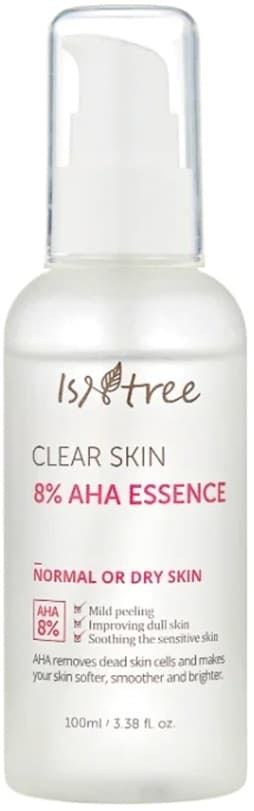
Products with Glycolic Acid
14 products in our database contain Glycolic Acid.


Also check: Is Glycolic Acid safe for...
Flip side
See the full list of ingredients to avoid for rosacea.
Disclaimer: This information is for educational purposes only and is not medical advice. Always consult a qualified healthcare provider or dermatologist before making changes to your skincare routine, especially during pregnancy or if you have a medical condition.


