Niacinamide: The Complete Guide to Skincare's MVP
What it does, how to use it, and why it works for almost everyone.
Ask ChokChok AI
Get instant answers about "Niacinamide: The Complete Guide to Skincare's MVP"
Try asking
Why Niacinamide Deserves the Hype
Skincare ingredients come and go. One year it's snail mucin, the next it's bakuchiol. But niacinamide — also known as vitamin B3 or nicotinamide — has maintained its position as one of the most well-researched, broadly effective actives in skincare. And unlike many hyped ingredients, it has the clinical data to back it up.
Here's what makes niacinamide unusual: it does multiple things well. Most ingredients are specialists — retinol targets aging, salicylic acid targets acne, hyaluronic acid targets hydration. Niacinamide is a generalist that performs across several categories simultaneously.
What Niacinamide Actually Does
Regulates Sebum Production
Multiple studies have shown that topical niacinamide at 2-5% concentration can reduce sebum production over 2-4 weeks. This makes it valuable for oily and combination skin types without the irritation that comes with harsher oil-control ingredients.
Minimizes Pore Appearance
By regulating sebum and improving skin texture, niacinamide can make pores appear smaller over time. It doesn't physically shrink pores (nothing topical can), but it reduces the factors that make them look enlarged.
Brightens and Evens Skin Tone
Niacinamide inhibits melanosome transfer — the process by which pigment is distributed to skin cells. Research shows it can reduce hyperpigmentation and improve overall skin tone with consistent use. It's gentler than vitamin C or hydroquinone, making it suitable for sensitive skin types.
Strengthens the Skin Barrier
Niacinamide boosts ceramide synthesis, which directly strengthens the skin's protective barrier. A stronger barrier means less transepidermal water loss, better moisture retention, and greater resilience against environmental stressors.
Reduces Redness and Inflammation
Its anti-inflammatory properties make niacinamide helpful for conditions like acne, rosacea, and general skin sensitivity. It calms irritation without the side effects of steroids or other anti-inflammatory treatments.
In short: niacinamide regulates oil, brightens, strengthens your barrier, and reduces inflammation. That's an unusually broad resume for a single ingredient.
Optimal Concentration
The sweet spot for niacinamide is 2-5% for most people. This range has the most clinical support and the best balance of efficacy and tolerability.
You'll see products with 10% or even 20% niacinamide on the market. Higher isn't necessarily better. Concentrations above 5% can cause irritation, flushing, or breakouts in some people — particularly those with sensitive skin. There's limited evidence that going above 5% provides additional benefits.
Start at 2-4% if you're new to niacinamide. If your skin tolerates it well after 2-3 weeks, you can try a higher concentration if desired.
Niacinamide and Other Actives
One of niacinamide's biggest advantages is its compatibility with other ingredients.
Niacinamide + Hyaluronic Acid: Excellent combination. Niacinamide strengthens the barrier while hyaluronic acid provides hydration. No conflicts.
Niacinamide + Retinol: Great pairing. Niacinamide can actually buffer some of retinol's irritating effects while both work on anti-aging. Use retinol at night, niacinamide morning and/or night.
Niacinamide + Vitamin C: There's an old claim that these two cancel each other out or cause flushing. This is based on outdated research involving pure nicotinic acid (not niacinamide) at high temperatures. In modern formulations at room temperature, they work fine together.
Niacinamide + BHA/AHA: Compatible. Apply the acid first, let it absorb, then apply niacinamide. The combination can be particularly effective for acne-prone skin.
Best K-Beauty Products with Niacinamide
Beauty of Joseon Glow Serum
Niacinamide paired with rice bran water makes this a standout brightening serum. It's lightweight, affordable, and absorbs quickly. The rice bran adds complementary brightening benefits, making this more effective than niacinamide alone.
COSRX Advanced Snail 96 Mucin Power Essence
While snail mucin is the star, this formula also contains niacinamide for additional brightening and barrier support. The combination of snail mucin's hydrating/healing properties with niacinamide's versatility makes this a strong multi-tasker.
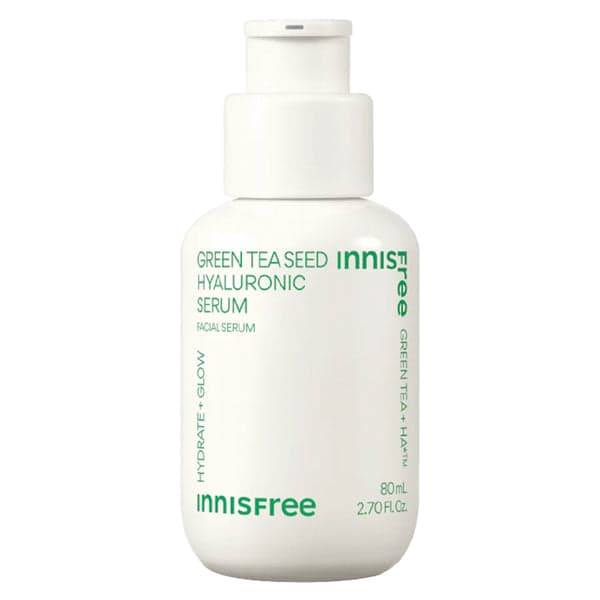
Innisfree Green Tea Seed Serum
Contains niacinamide alongside green tea extract for antioxidant protection. A good option for those who want niacinamide's benefits in a lightweight, antioxidant-rich formula.
How to Add Niacinamide to Your Routine
When to apply: Morning, evening, or both. Niacinamide is stable in sunlight and doesn't cause photosensitivity, so it's truly versatile.
Where in your routine: After toner, before moisturizer. If using a dedicated niacinamide serum, apply it on slightly damp skin for better absorption.
How long until results: Expect to see changes in skin texture and oiliness within 2-4 weeks. Brightening effects typically take 8-12 weeks of consistent use.
Who Should Use Niacinamide?
Honestly? Almost everyone. It's one of the rare ingredients that benefits oily, dry, combination, sensitive, and aging skin types. The only people who should be cautious are those with a known sensitivity to niacinamide (rare but it exists) or those using very high concentrations who experience flushing.
If you're building a K-Beauty routine and can only add one active ingredient, niacinamide is the safest, most versatile choice you can make.
Keep Reading
How to Read an INCI Ingredient List: The 10-Minute Cheat Sheet
A practical guide to reading an INCI (International Nomenclature of Cosmetic Ingredients) list. The key rules, the red flags, and the one-third rule that tells you what actually matters.
Sesderma's liposomal delivery, decoded
Sesderma is the Spanish pharmacy brand built on liposomal encapsulation — phospholipid vesicles that improve the stability and skin penetration of unstable actives like L-ascorbic acid, retinol, and azelaic acid. Here's how the technology actually works, which Sesderma products use it best, and where the science holds up.